Scientific Approach
We study soil, climate, physical conditions & existing practices to understand each farm before recommending solutions.

Scientific advisory, crop-specific packages, training & handholding support for the successful adoption of biological agriculture.
Our Philosophy
We study soil, climate, physical conditions & existing practices to understand each farm before recommending solutions.
We prescribe crop specific package of practices for successful implementation.
We recommend sustainable cultural practices to improve soil health and reduce pest & diseases biologically.
We provide training on application protocols and hand holding support (conditions applied).
We provide farm monitoring support to our users for smooth adaption of bio-organic farming practices.
We collect existing data and understand your farm conditions.
We analyse soil health, climate, practices & challenges.
We prescribe crop specific package of practices.
We train your team and monitor farm regularly.
We provide continuous advisory for better results every season.
Select your crop to view detailed Package of Practice, protocols and schedules.
Our package of practice is developed after years of field trials, consultations with scientists of TRA (Tea Research Association), advices of experienced planters and practical experience of conducting commercial pilots with industry leaders.
We intend to collaborate with planters to help develop adoptable package practices that would bring down pest issues gradually and help them secure residue free quality tea and regain the export market.
Tea requires balanced nutrient supply throughout the year to support satisfactory growth & harvest. Our method is to start early and ensure robust health of the maintenance bush.
Unlike conventional inputs application of biofertilizer is not so much dependent on rain – hence it can be applied as early as in February. So planters can get very good first flush and better yield.
| Time | Application | Product | Dose | Purpose |
|---|---|---|---|---|
| Late Feb |
| Bom Biomics | 1.5 lit | Balanced NPK nutrition, protection from pathogens |
| Early Mar |
| Bom TonicPlus | 1.5 lit | Supply of micronutrients & growth factors |
| Early May |
| Bom Biomics | 1.5 lit | Balanced NPK nutrition, protection from pathogens |
| Mid May |
| Bom TonicPlus | 1.5 lit | Supply of micronutrients & growth factors |
| End July |
| Bom Biomics | 1.5 lit | Balanced NPK nutrition, protection from pathogens |
| Early Aug |
| Bom TonicPlus | 1.5 lit | Supply of micronutrients & growth factors |
| End Sep |
| Bom Biomics | 1.5 lit | Balanced NPK nutrition, protection from pathogens |
| Early Oct |
| Bom Tonic | 1.5 lit | Supply of micronutrients & health regulation |
| Dec -Jan |
| Bom Shield | 1.5 lit | Protects pruning wounds from fungal pathogens |
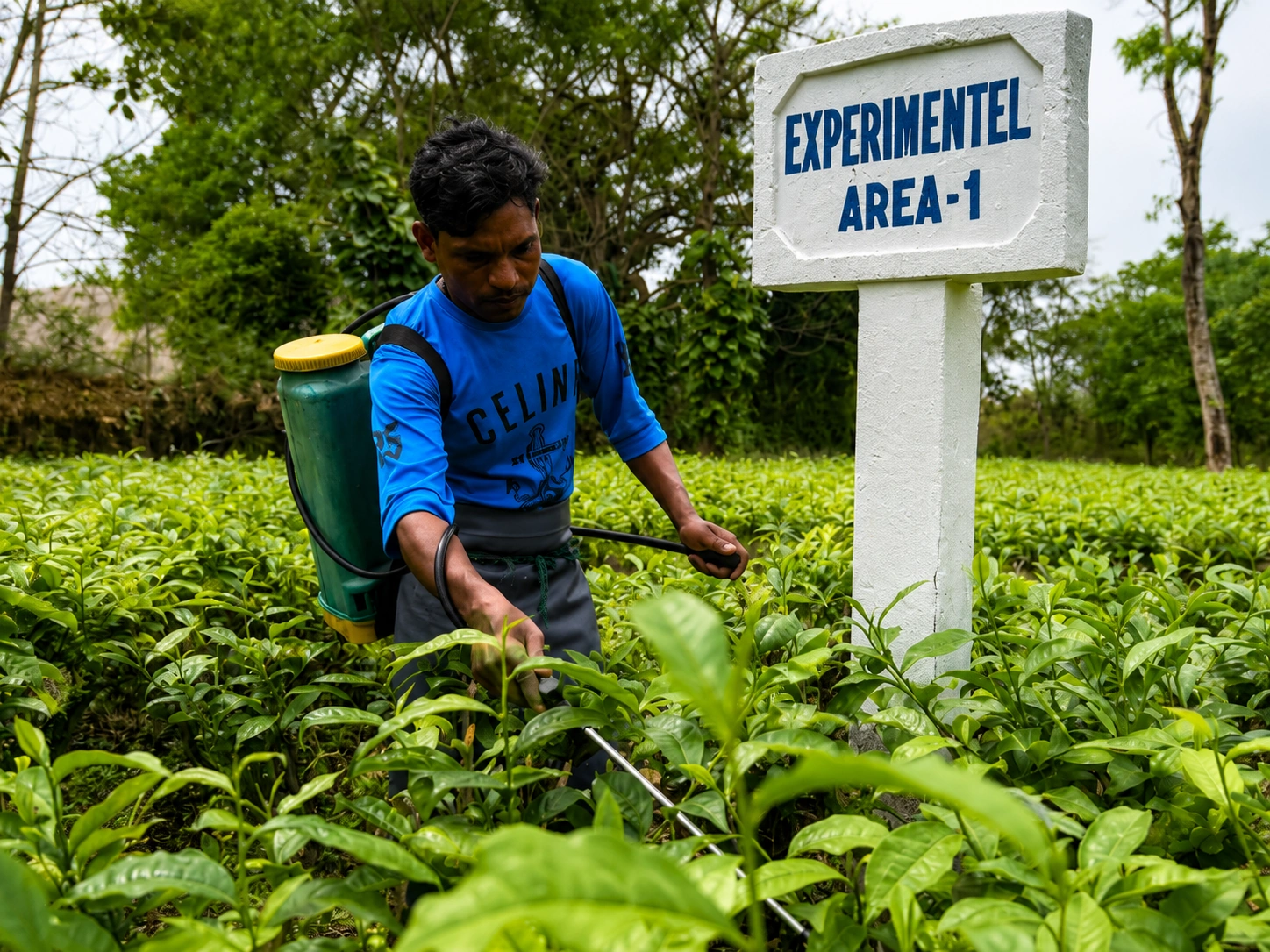
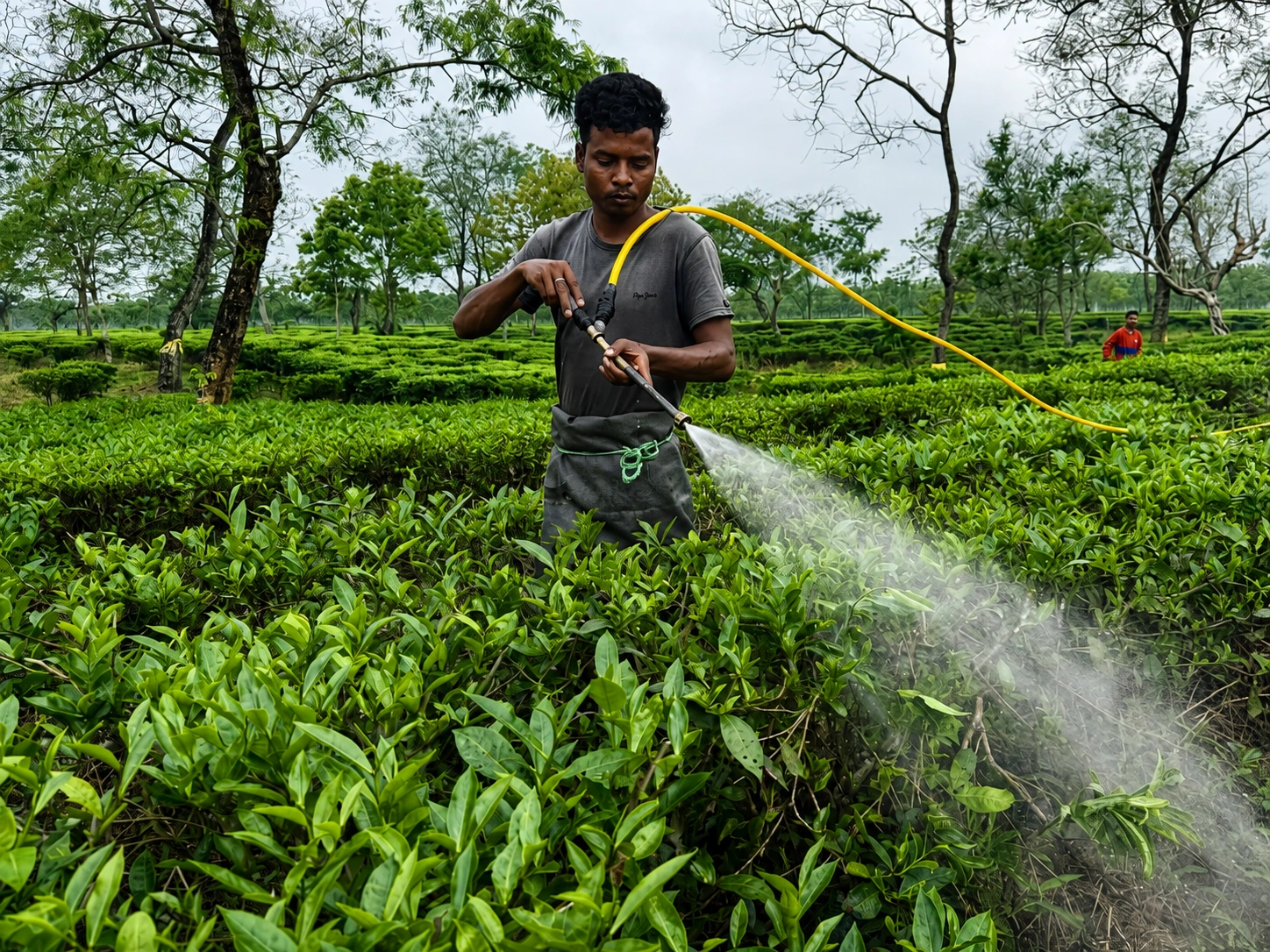
For Foliar spray:
Always clean the mixing drum and sprayers thoroughly before use, there should be no chemical contaminants like weedicide, fungicide, pesticide etc
The biofertlizer needs to reach the roots as well as remain on the foliage, so we strongly advise spraying in higher dilution to ensure that the foliage is drenched in solution dripping down from top, so the microbes can spread more
Preferably spray Biofertilizer in the afternoon or on an overcast day, microbes need a little time in settling down so if harsh sunlight dries up the water that may reduce efficacy. Specially during dry seasons spraying in the afternoon is strictly advised
A drizzle or light rain during or after the spray is no problem, in fact it is better
Avoid spraying during heavy rain
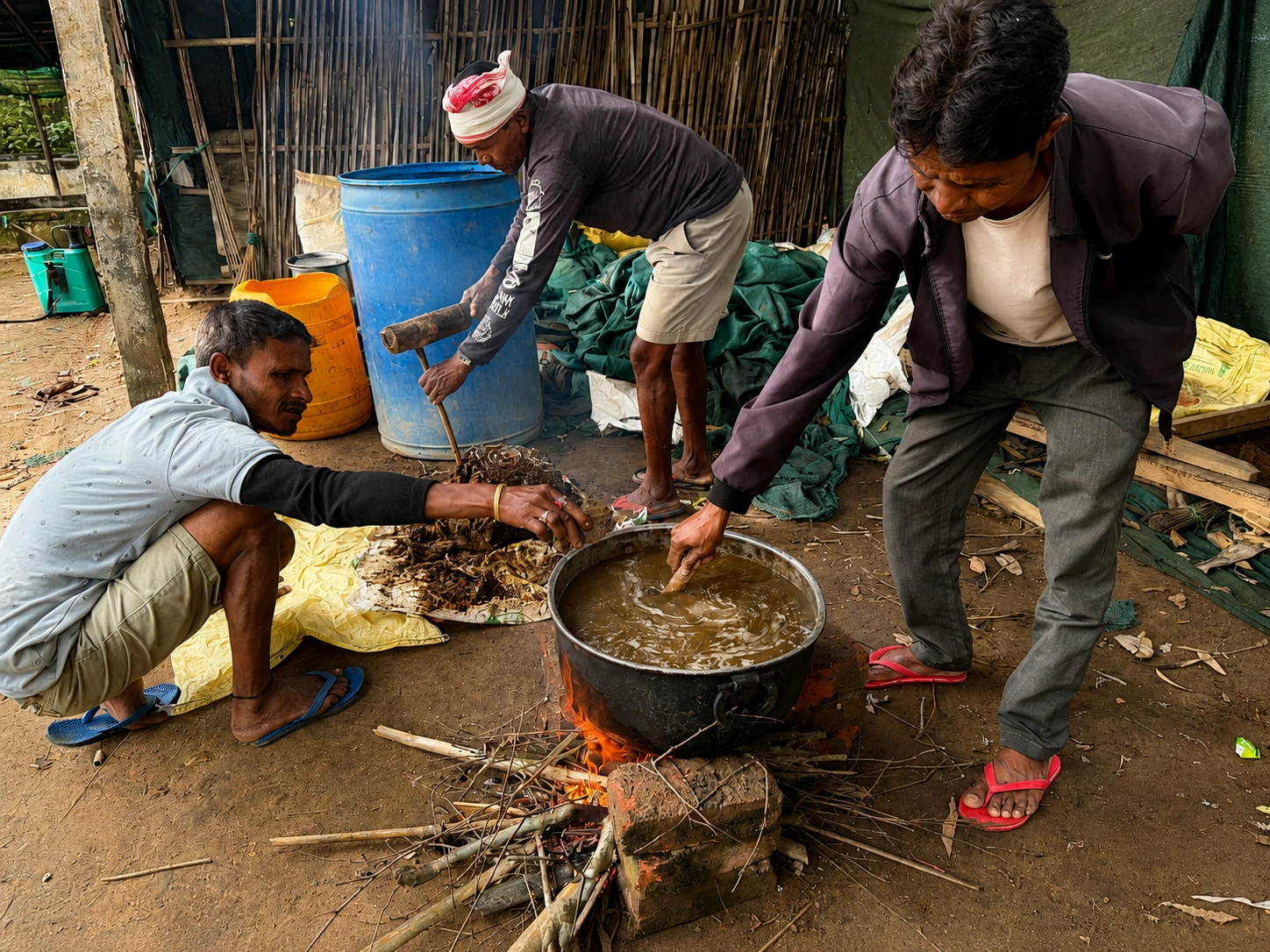
Please use clean thoroughly washed container/ drum which is free from any chemical contaminants
Please use RO water or filtered water or drinking water
In Tea gardens as the requirement is large, it may not be practical to boil the entire requisite amount of water. Please boil lesser quantity of water, enough to dissolve the prescribed amount of jaggery, then transfer into a big drum & add clean water to make up to the required volume. This would also reduce time for cooling down the temperature of the solution to room temperature.
Before adding Biomics please ensure that the temperature is not more than 35degrees
Cover the activated liquid with cloth so air can pass, also under shade so rain or sunlight doesn’t fall in it
Check for the fruity smell after 2-3 days
We prescribe bio-control, however if required apply as per your schedule (pls keep 7days gap with application of Biomics)
We prescribe manual weeding, however if required please keep 1 month gap after Biomics
Do not use, no need, our microbes would inhibit any fungal pathogen. Also it’ll be harmful to our microbes.

Bom Shield controls fusarium, wilt, rust very effectively by causing destruction of cell walls of fungal pathogens
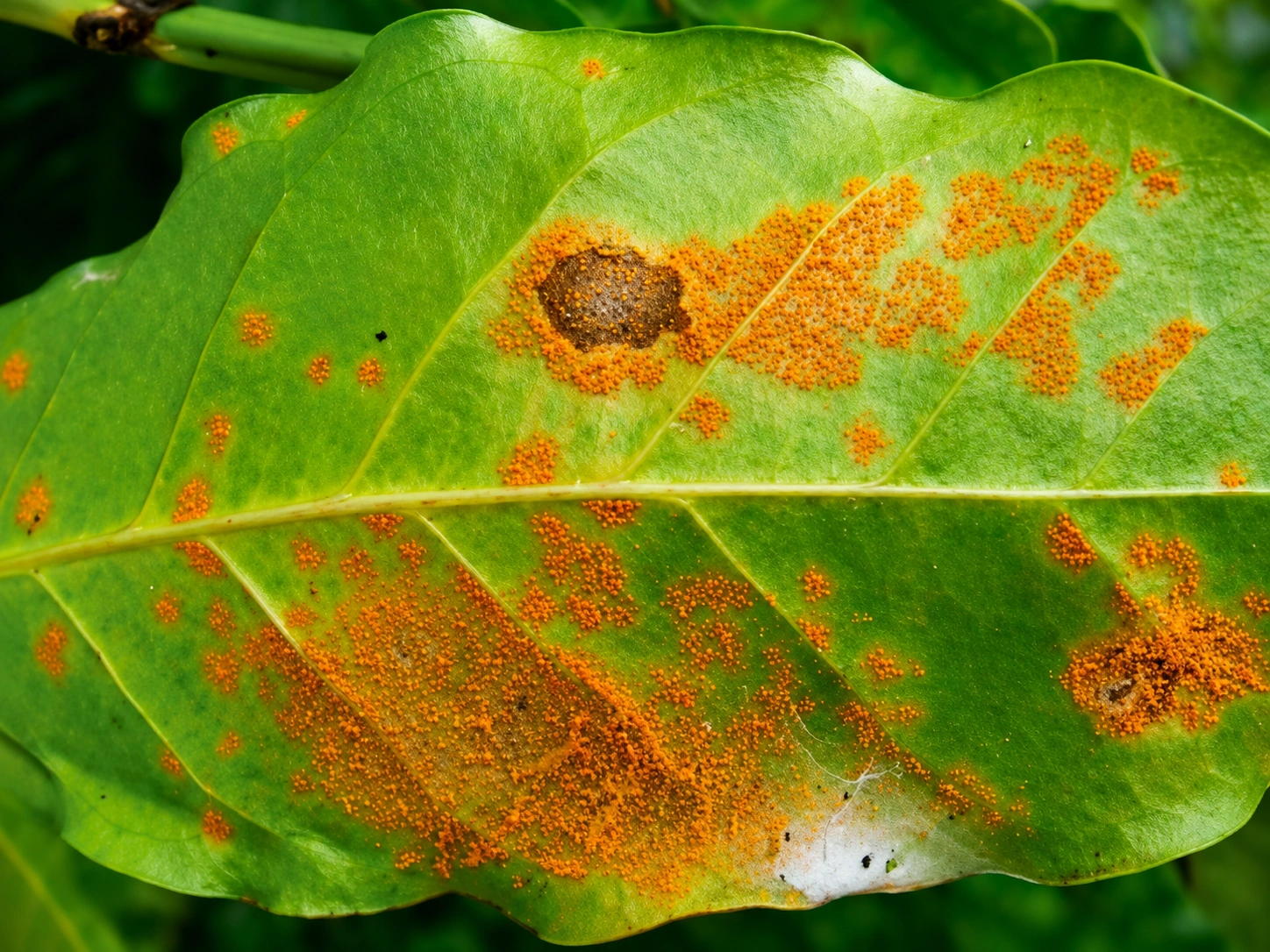
Red rust
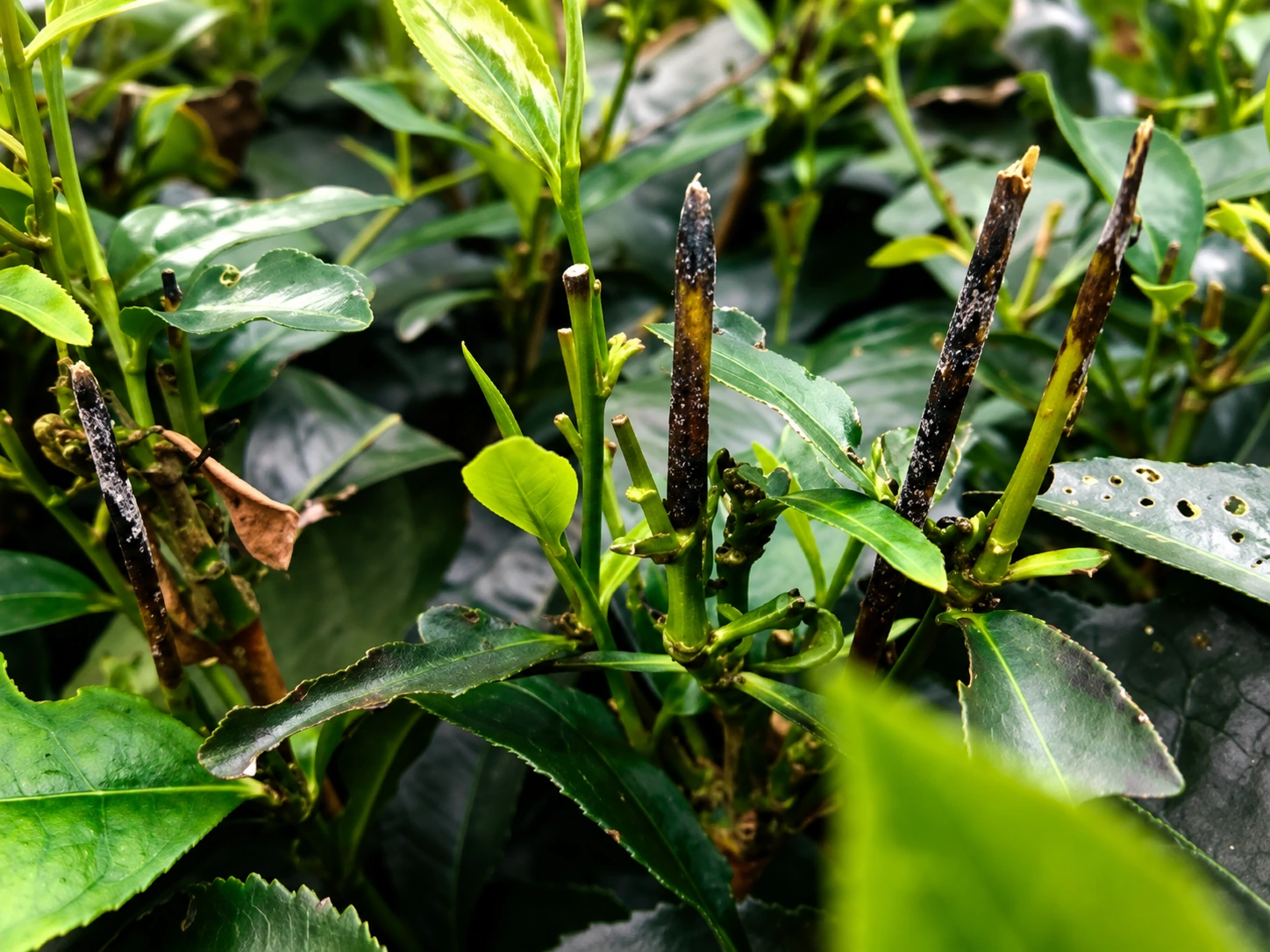
Fusarium dieback

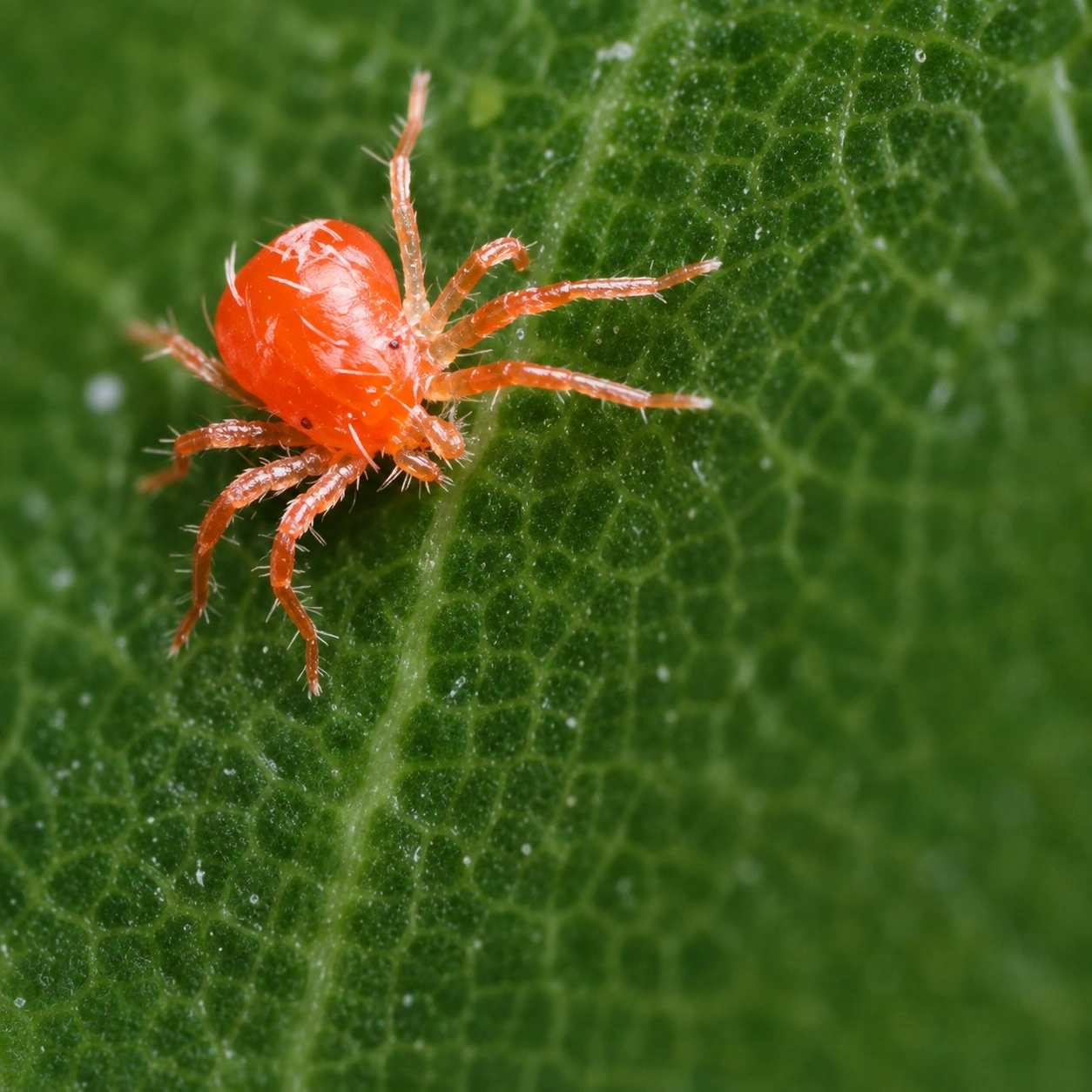
Red Spider Mite
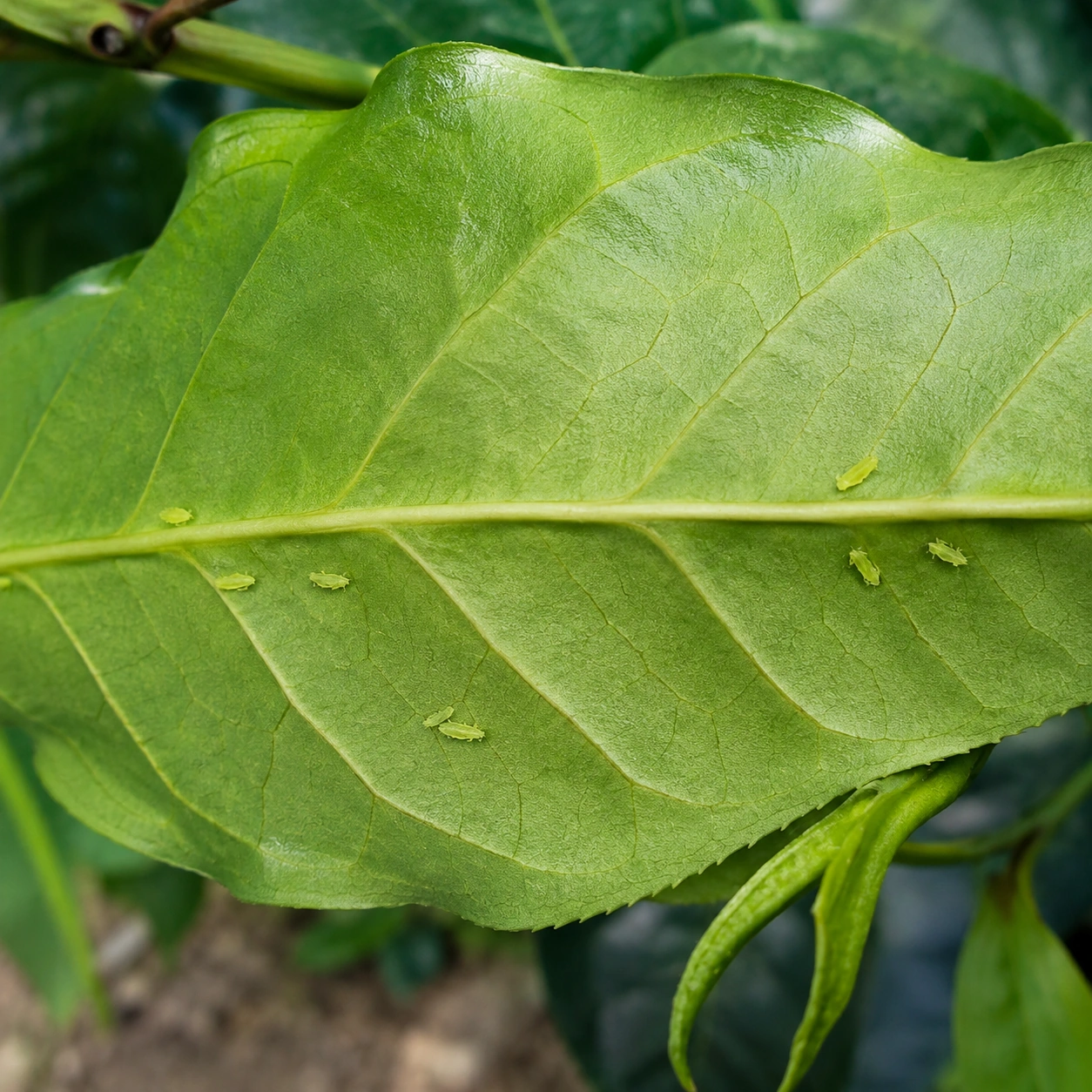
Greenfly
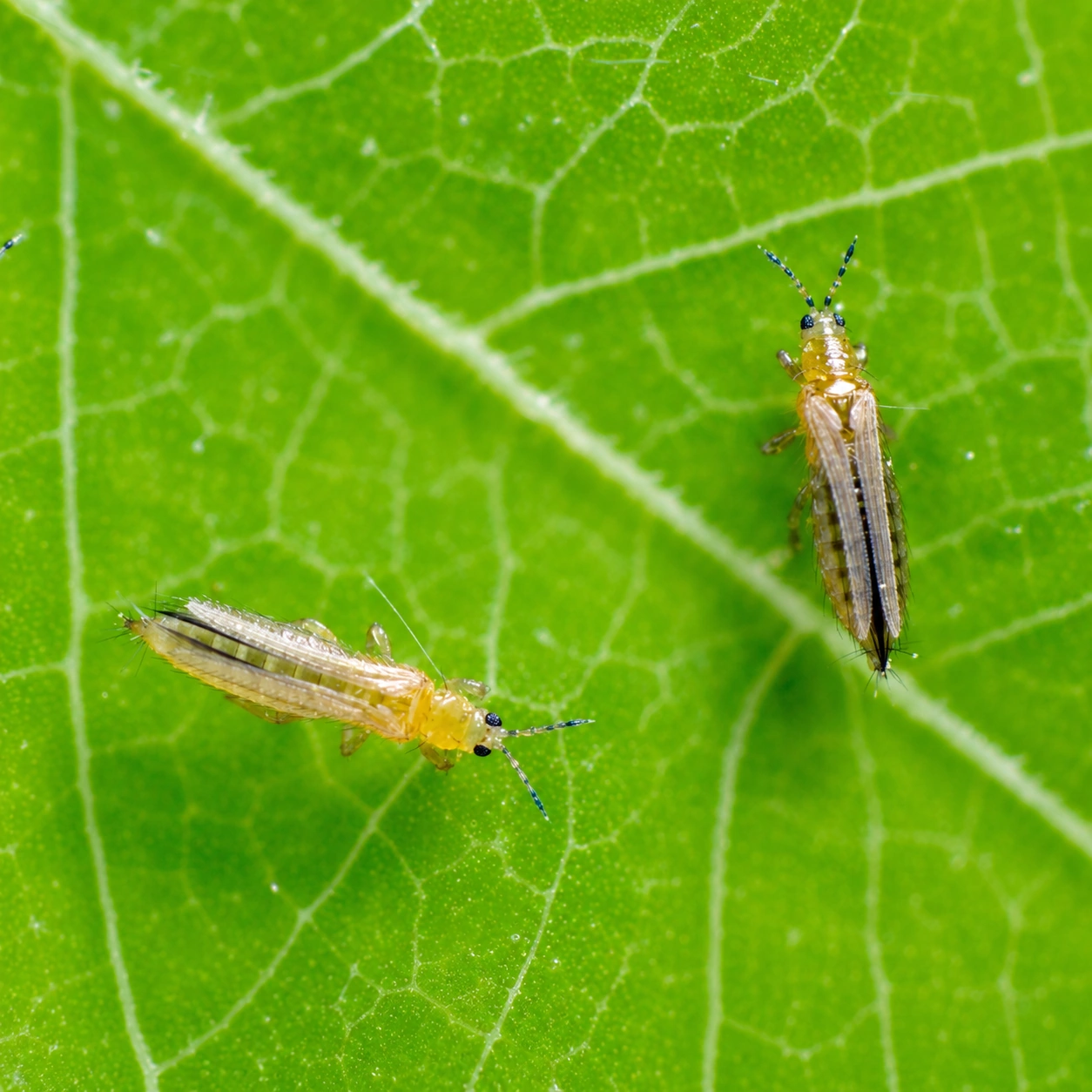
Thrips
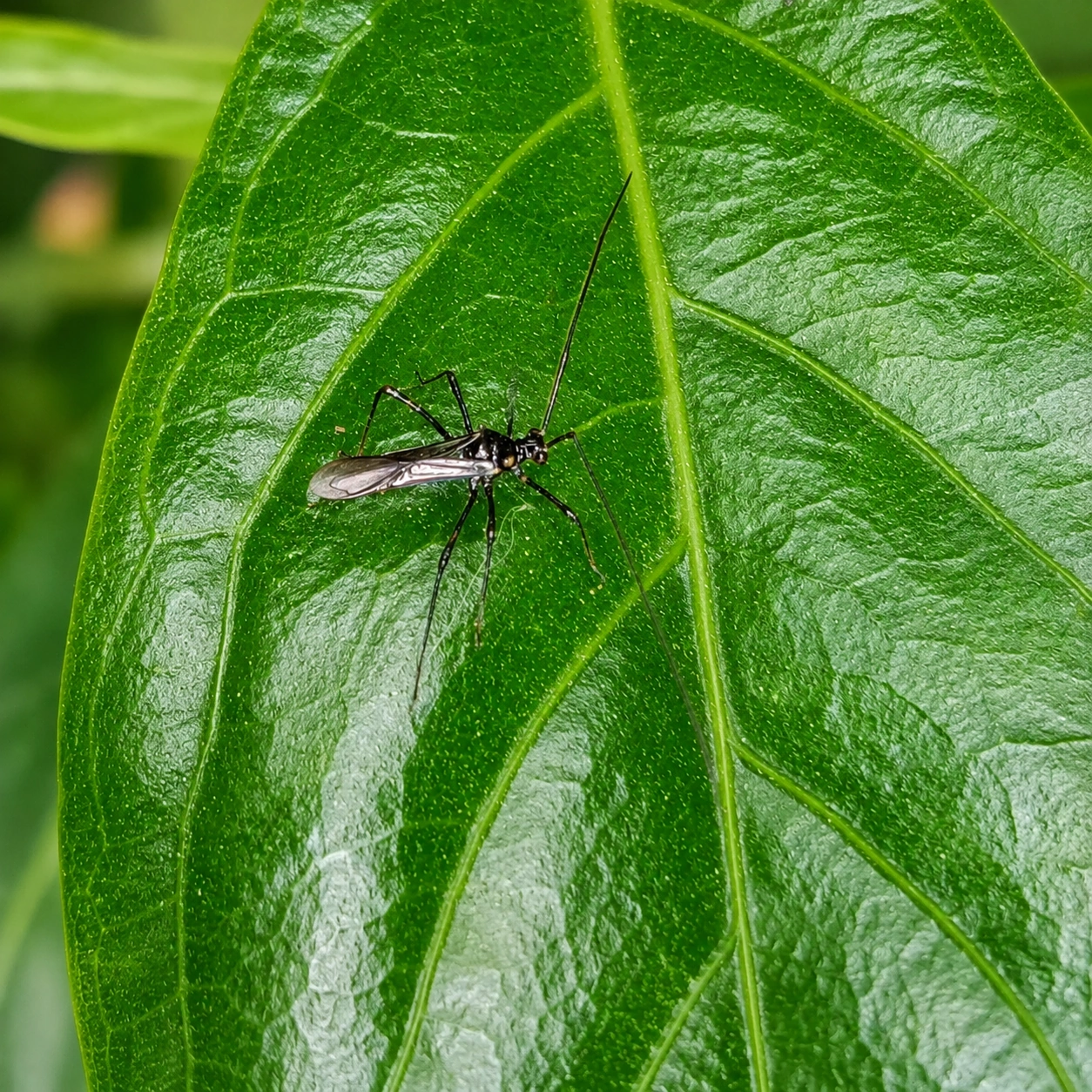
Helopeltis

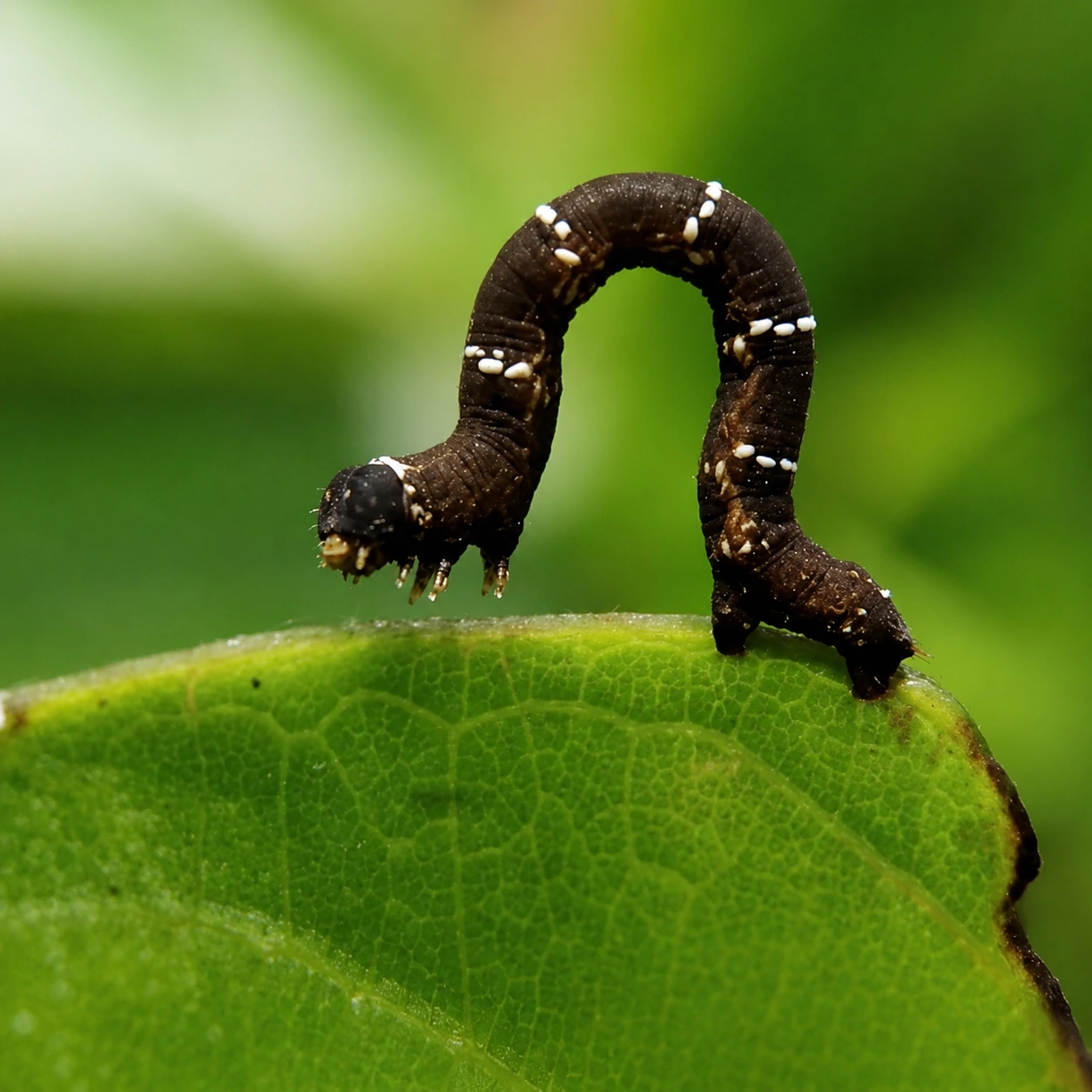
Loopers thrive during warm, humid weather
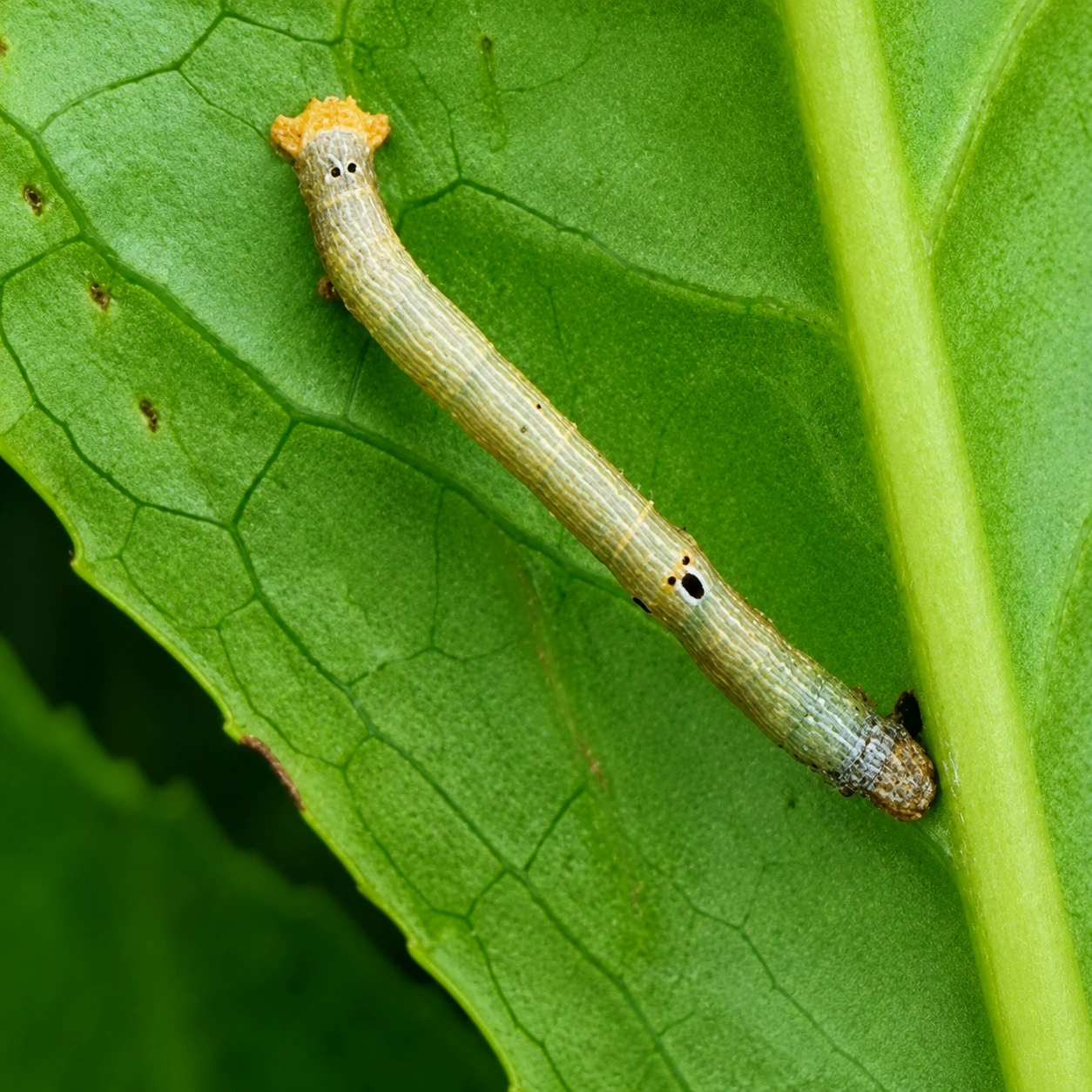
It’s observed that use of bio-fertilizer & adaptation of bio-organic practices gradually reduce pest infestation:
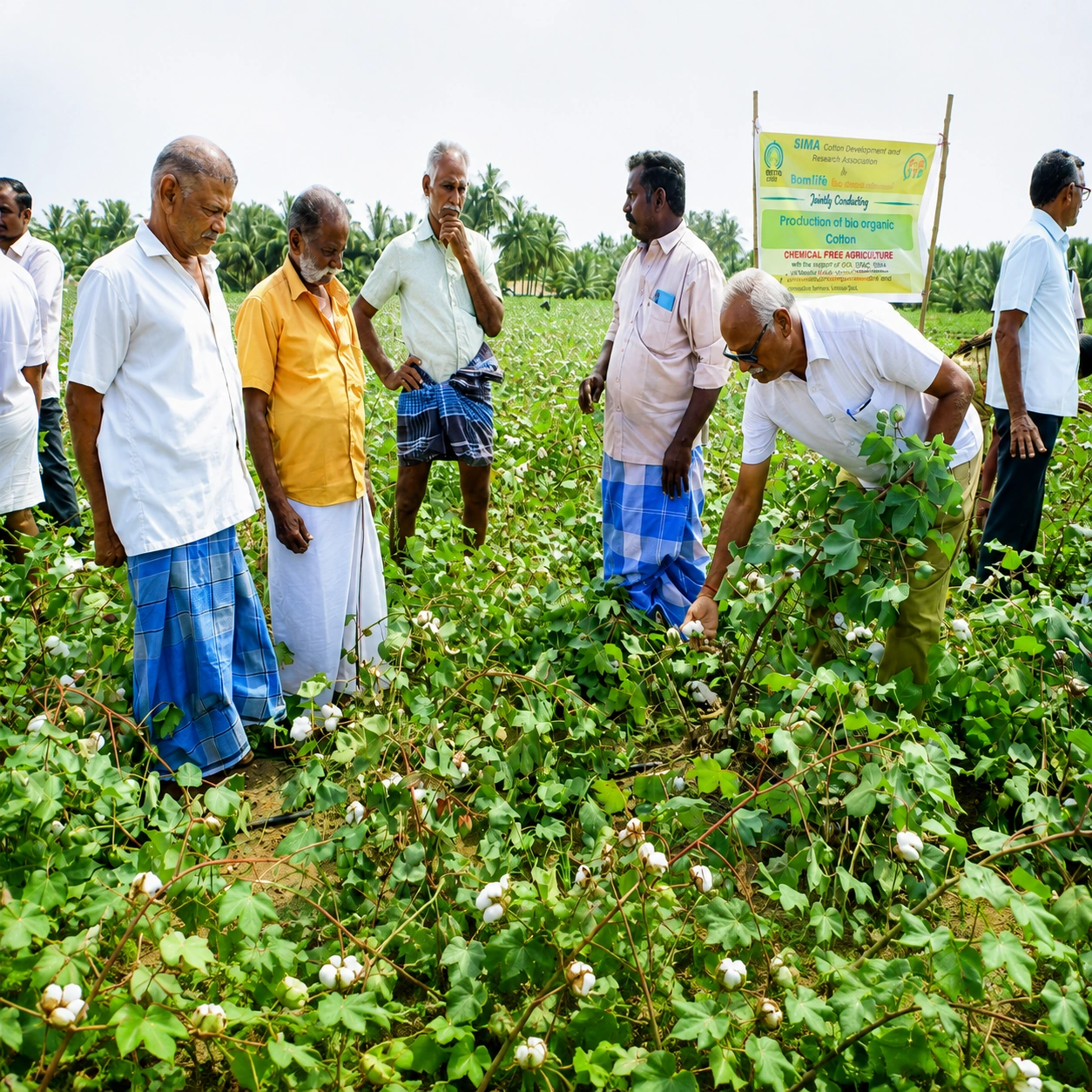
Our package of practice is developed after years of field trials, consultations with scientists of SIMA-CDRA (Southern India Mills Association, Coimbatore), and practical experience of conducting commercial pilots at multiple locations with varied geo-climatic conditions.
| Time | Stage | Application | Product | Quantity | Purpose |
|---|---|---|---|---|---|
| Sowing | Soil preparation |
| Bom Biomics | 500ml | Balanced NPK nutrition |
| Sowing | Seed/ Seedling Treatment |
| Health booster, controls diseases | ||
| 20 DAS |
| Bom Biomics | 500ml | Balanced NPK nutrition, protection from pathogen | |
| 25 DAS |
| Bom TonicPlus | 500ml | Supply of micronutrients, root growth | |
| 40 DAS |
| Bom Biomics | 500ml | Balanced NPK nutrition, protection from pathogen | |
| 45 DAS |
| Bom TonicPlus | 500ml | Supply of micronutrients, growth, branching | |
| 60 DAS | Buds formation |
| Bom Biomics | 500ml | Balanced NPK nutrition, protection from pathogen |
| 70 DAS | Flowering |
| Bom TonicPlus | 500ml | Supply of micronutrients, immunity boost, growth |
| 90 DAS |
| Bom Biomics | 500ml | Balanced NPK nutrition, protection from pathogen | |
| 100DAS |
| Bom TonicPlus | 500ml | Supply of micronutrients, immunity boost, growth | |
| 120 DAS |
| Bom Biomics | 500ml | Balanced NPK nutrition, protection from pathogen | |
| 130DAS |
| Bom Tonic | 500ml | Supply of micronutrients, health & immunity |
Bio-activation of BioMics for 1 acre: Bring 10lit water to boil, mix 1kg of gur, cool it to normal temperature, add 500ml of Biomics and leave it covered with cloth for 2-3days. For foilar spray mix 10.5lit of activated Biomics with 400lit of water.
For Foliar spray:
Always clean the mixing drum and sprayers thoroughly before use, there should be no chemical contaminants like weedicide, fungicide, pesticide etc
The biofertlizer needs to reach the roots as well as remain on the foliage, so we strongly advise spraying in higher dilution to ensure that the foliage is drenched in solution dripping down from top, so the microbes can spread more
Preferably spray Biofertilizer in the afternoon or on an overcast day, microbes need a little time in settling down so if harsh sunlight dries up the water that may reduce efficacy. Specially during dry seasons spraying in the afternoon is strictly advised
A drizzle or light rain during or after the spray is no problem, in fact it is better
Avoid spraying during heavy rain

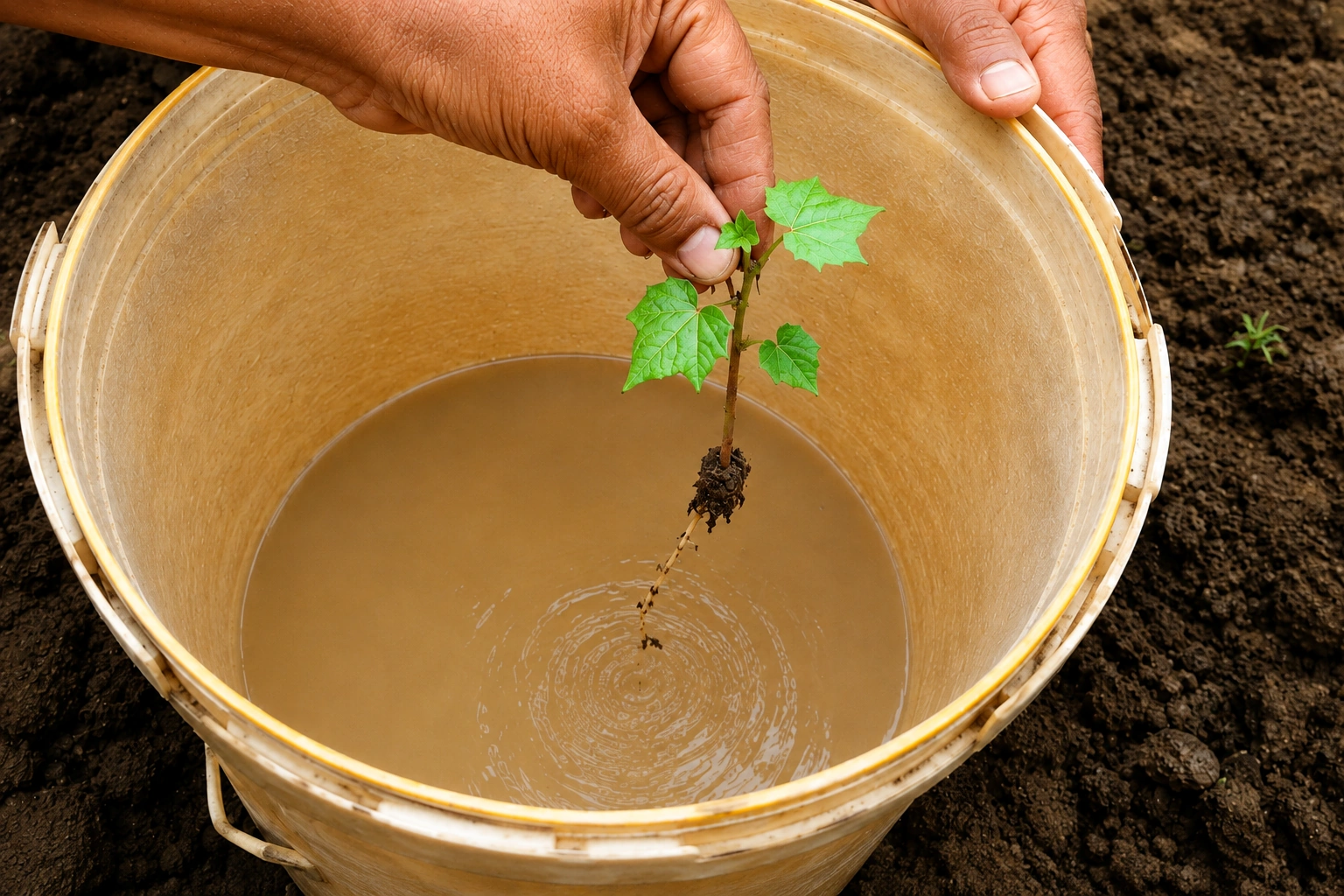
Please use clean thoroughly washed container/ drum which is free from any chemical contaminants
Please use RO water or filtered water or drinking water
Before adding Biomics please ensure that the temperature is not more than 35degrees
Cover the activated liquid with cloth so air can pass, also under shade so rain or sunlight doesn’t fall in it
Check for the fruity smell after 2-3 days
It is observed that our seed/ seedling treatment have always resulted in robust plant health & higher yield. The microbes that colonise the root system provide protection as well as growth factors.
We prescribe bio-control, however if required apply as per your schedule (pls keep 7days gap with application of Biomics)
We prescribe manual weeding, however if required please keep 1 month gap after Biomics
Do not use, no need, our microbes would inhibit any fungal pathogen. Also it’ll be harmful to our microbes.
Bom Shield supresses bacterial blight, wilt, leaf spot very effectively by causing destruction of cell walls of pathogens & boosting immune system
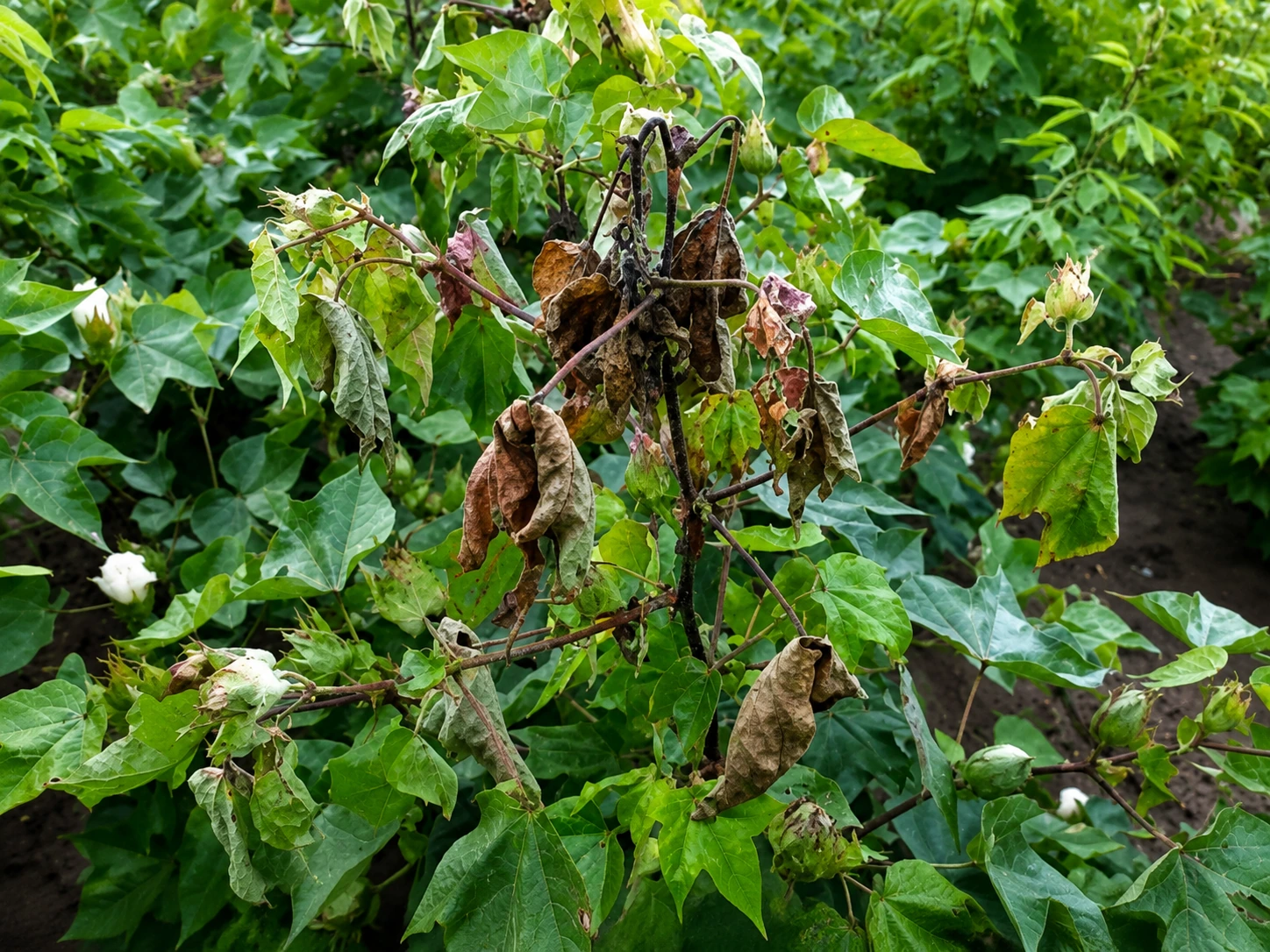
Bacterial blight
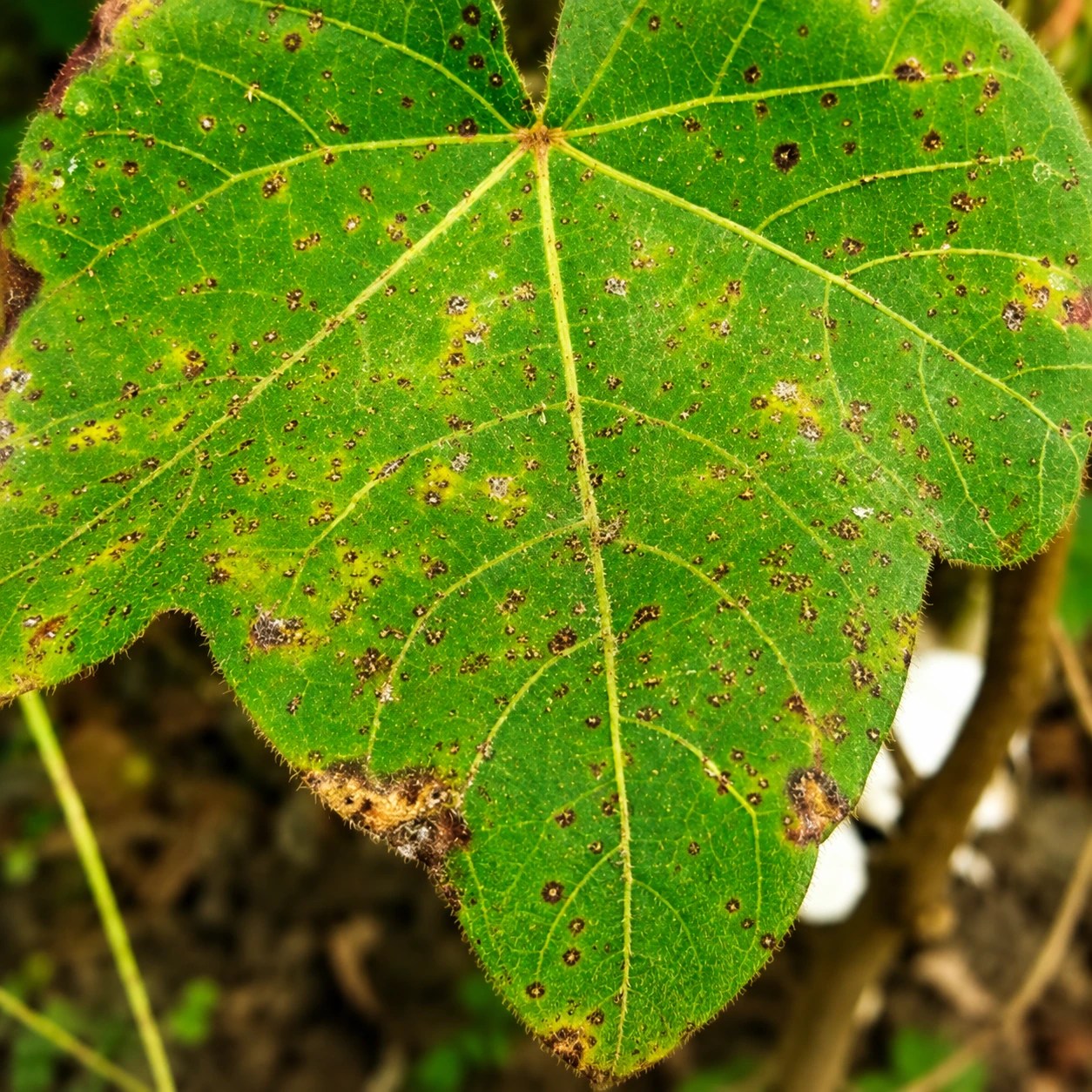
Leaf spot
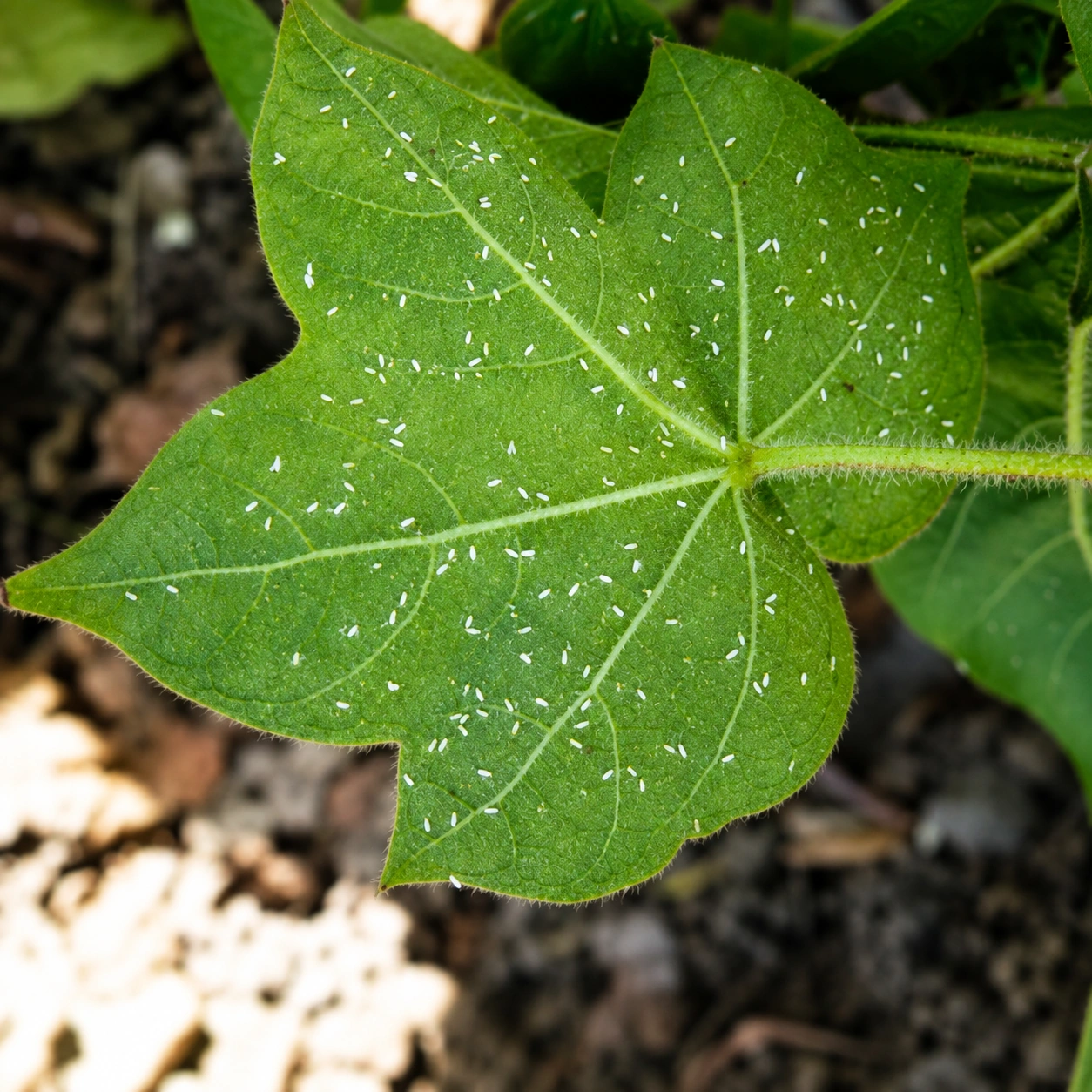
Whiteflies
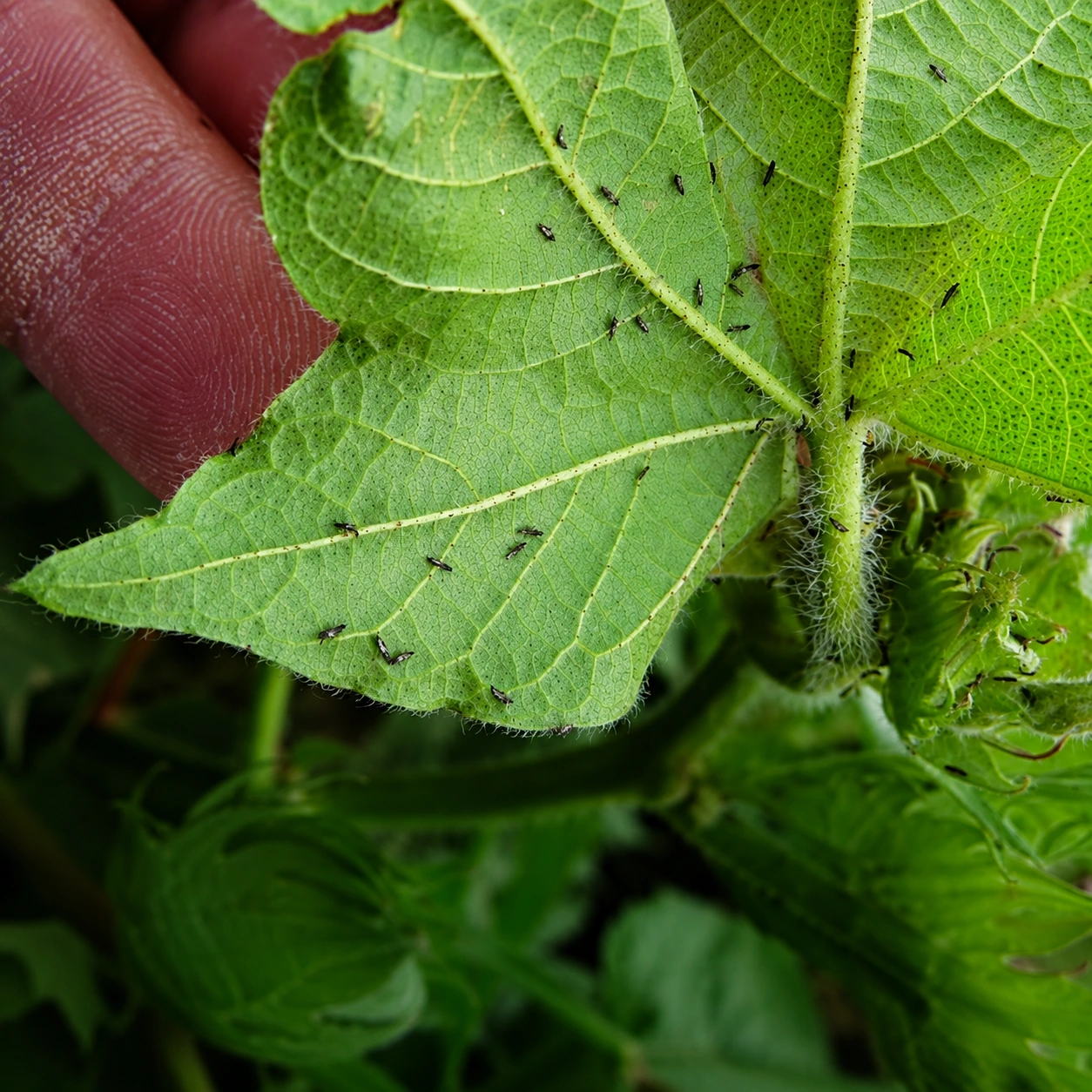
Thrips
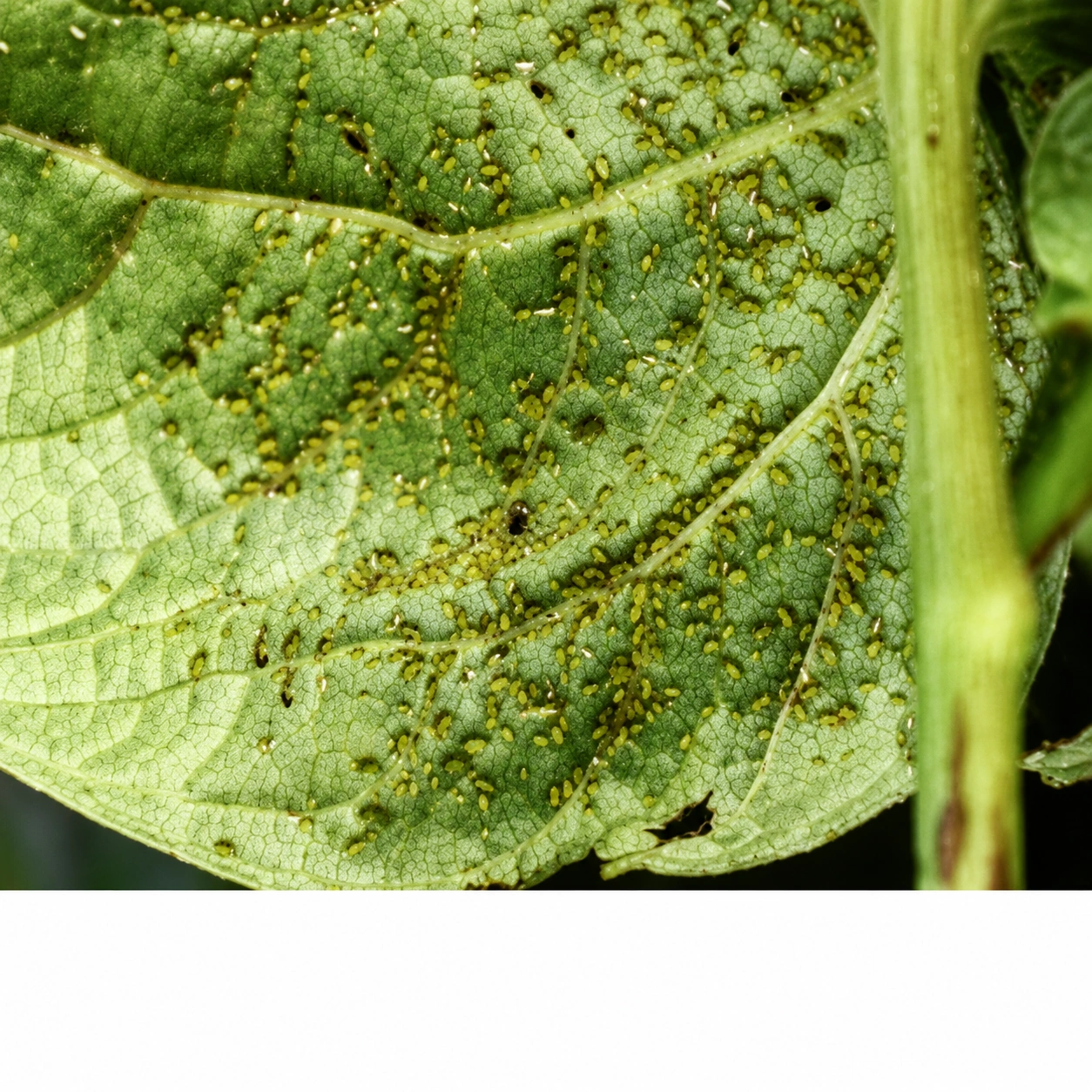
Aphids
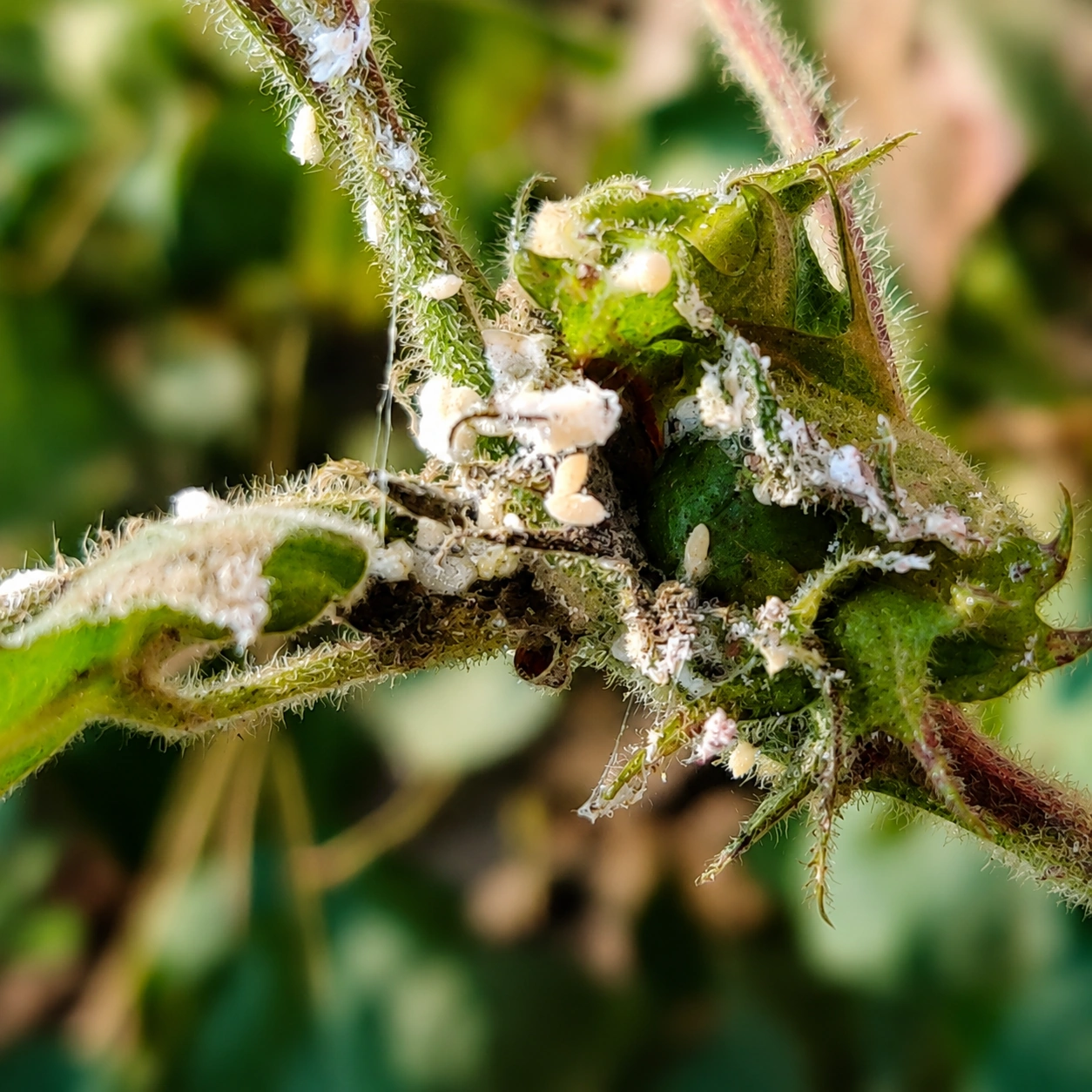
Mealybugs
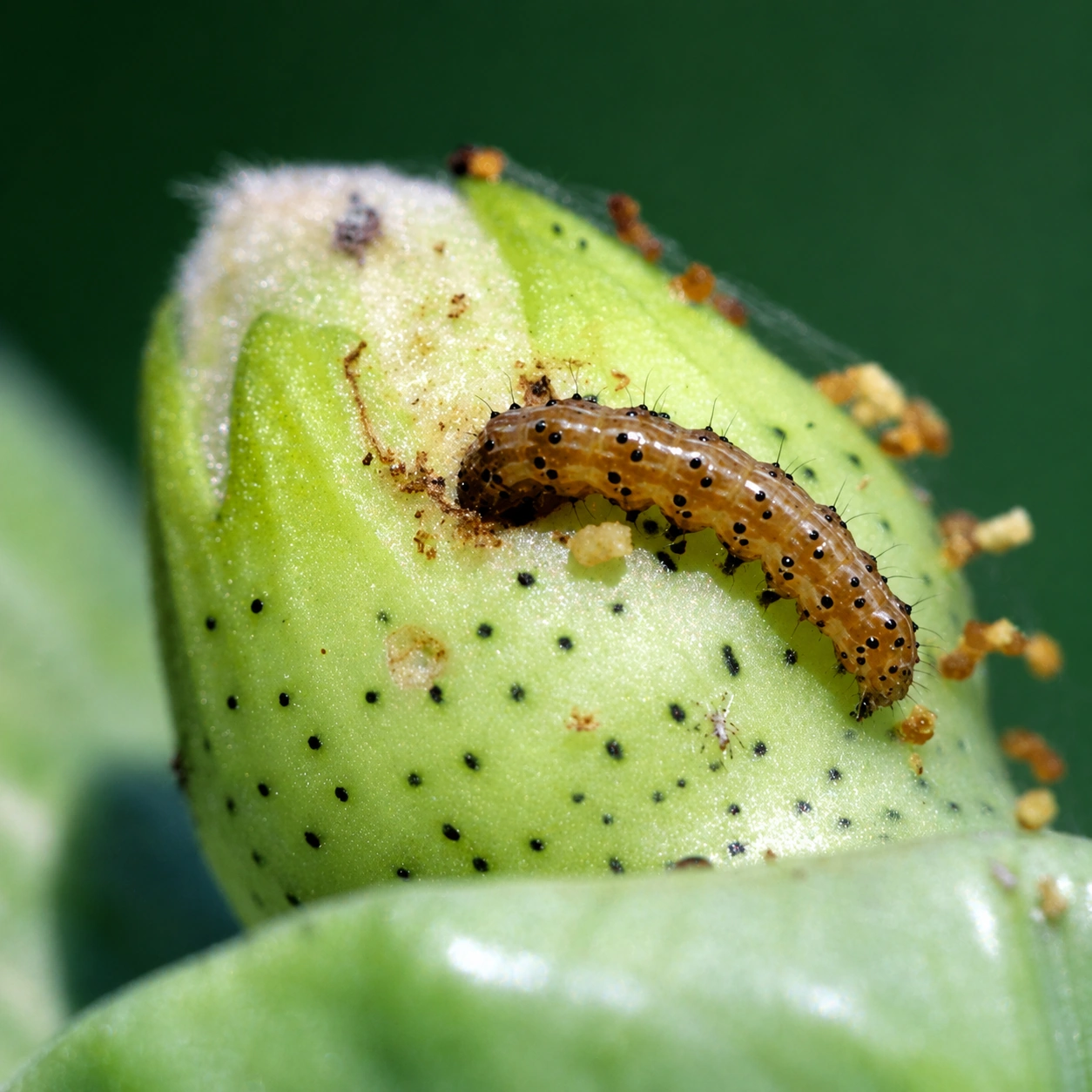
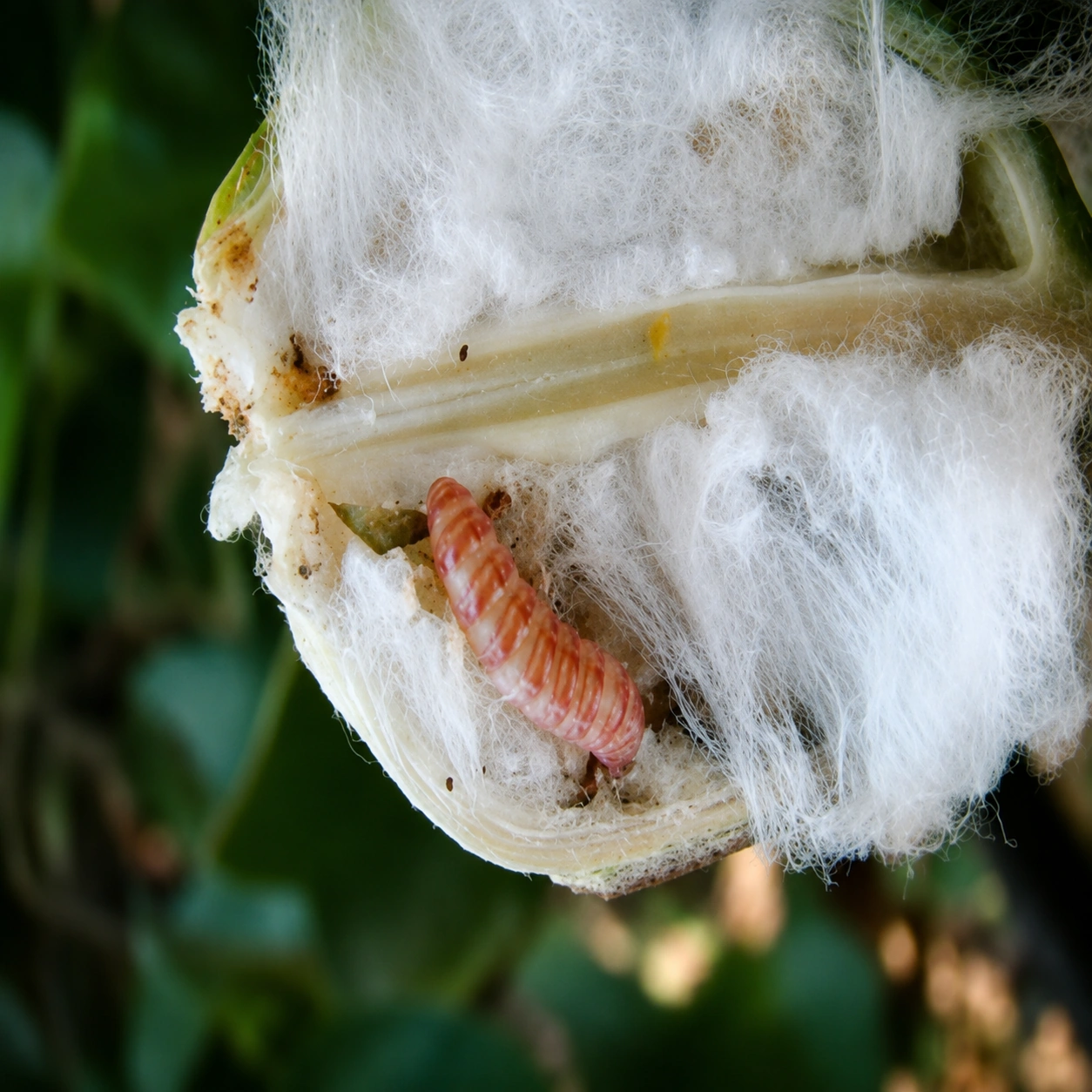
It’s observed that use of bio-fertilizer & adaptation of bio-organic practices greatly reduce pest infestation:
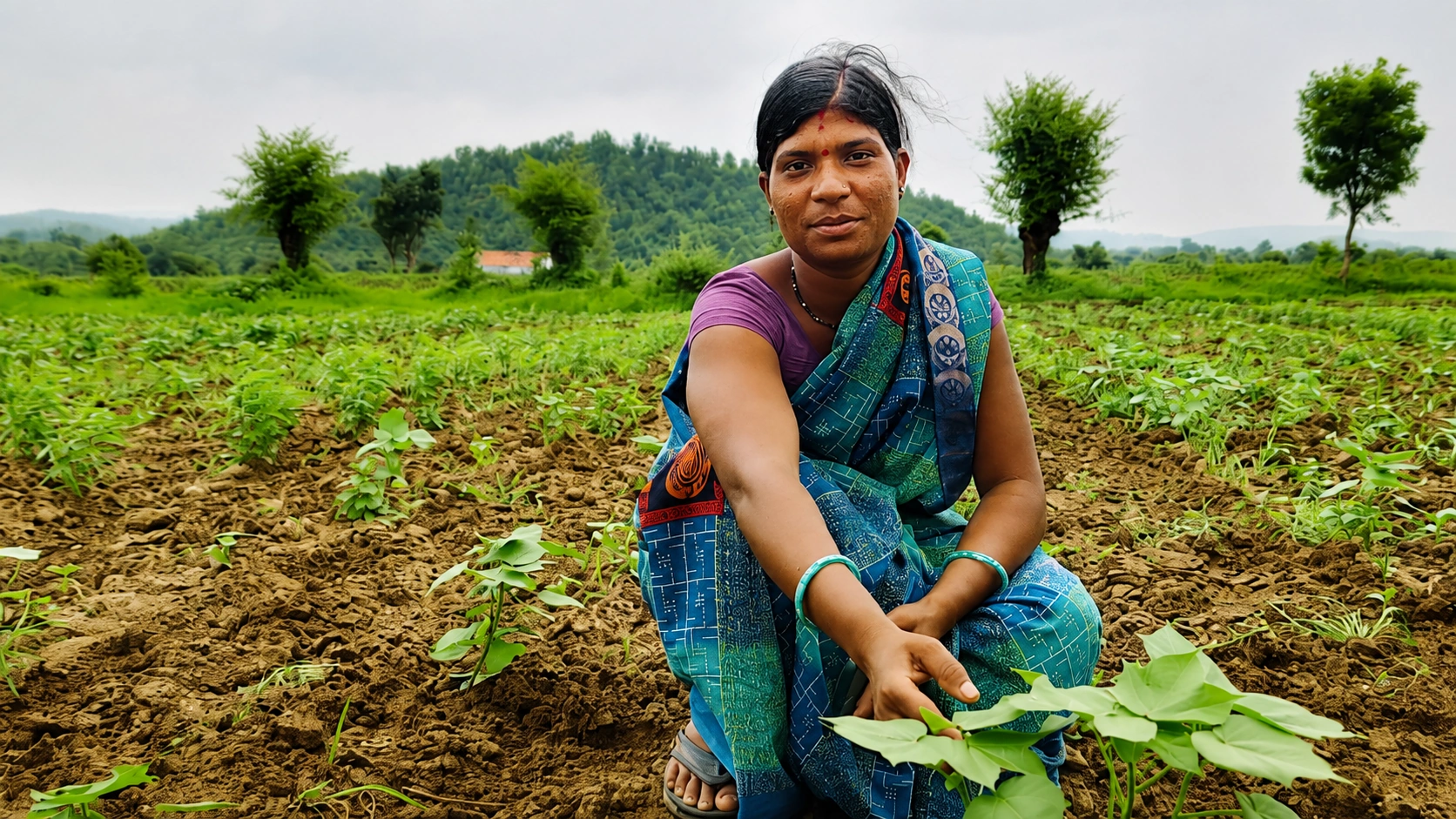
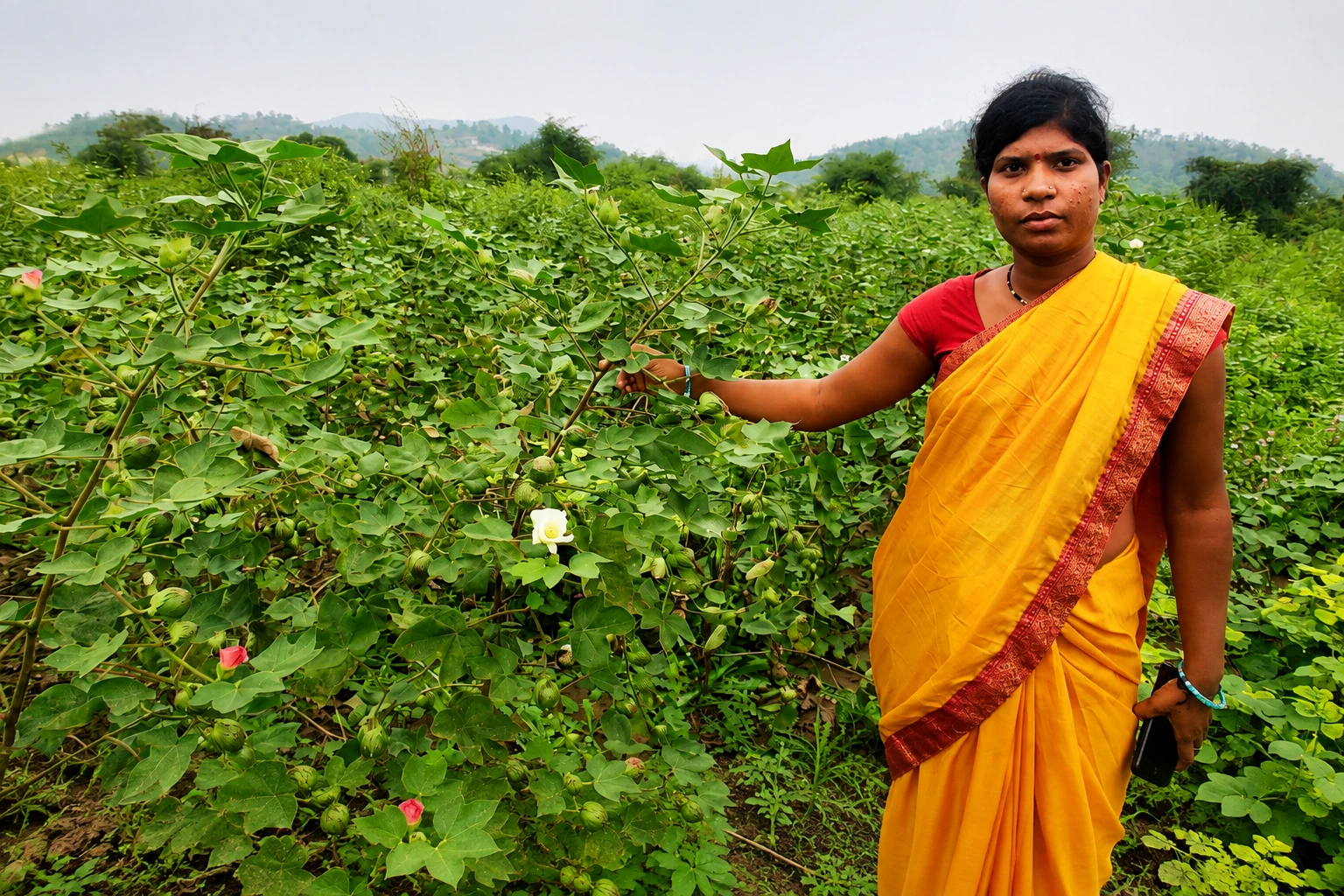
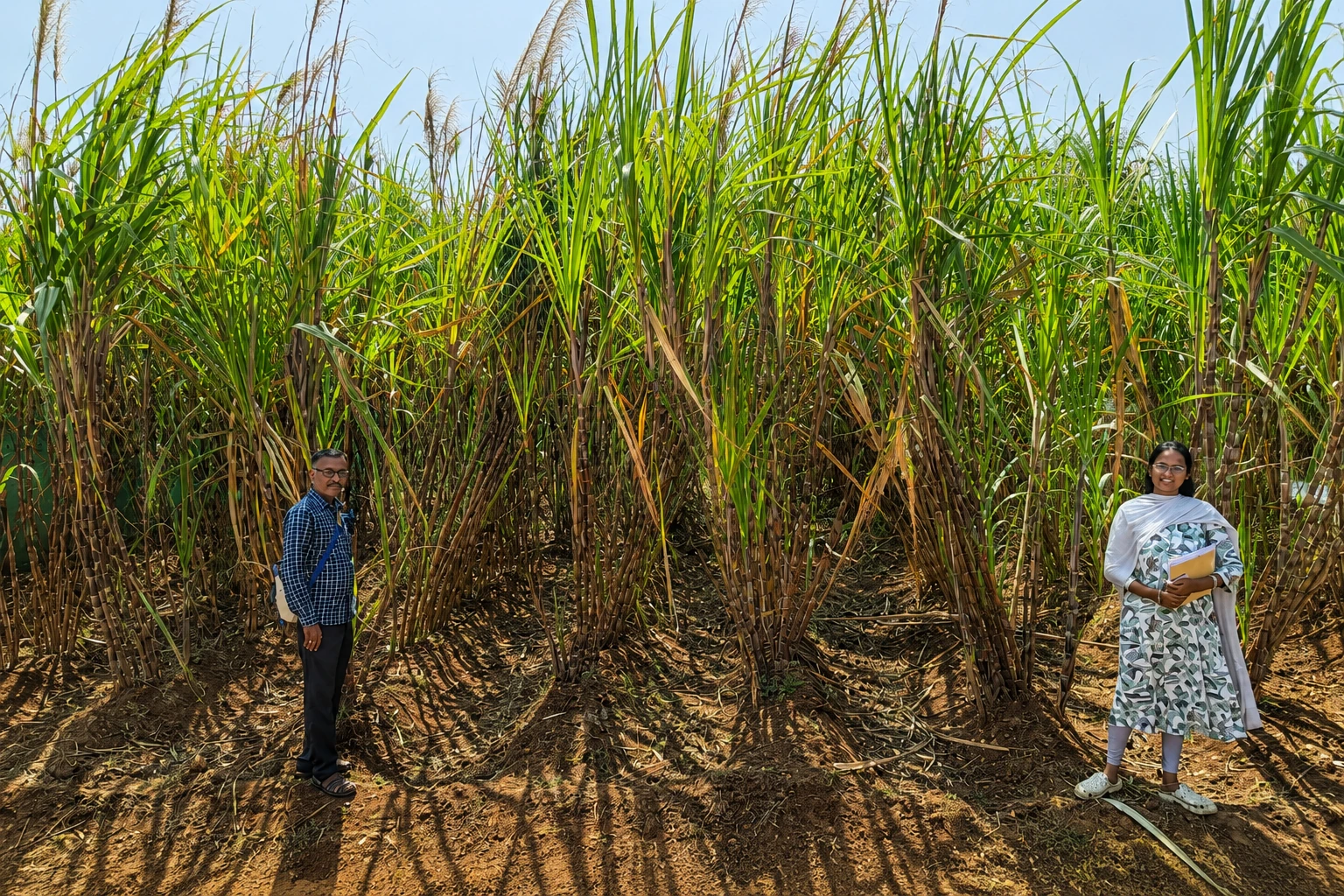
Our package of practice is developed after years of field trials, consultations with scientists of ICAR - Sugarcane Breeding Institute, Coimbatore, and practical experience of conducting commercial pilots at multiple locations with varied geo-climatic conditions.
| Time | Stage | Application | Product | Doses | Purpose |
|---|---|---|---|---|---|
| 2-3 days before sowing | Bio-activation |
| Bom Biomics liq | 500ml | |
| During sowing | Sett Treatment |
| Protection from pathogen | ||
| During sowing | Soil Application |
| Balanced NPK nutrition, protection from pathogen | ||
| 3-4 weeks later |
| Bom Biomics | 500ml | Balanced NPK nutrition, protection from pathogen | |
| 5-6 weeks later |
| Bom TonicPlus | 500ml | Supply of micronutrients, root growth | |
| 10 weeks later |
| Bom Biomics liq | 500ml | Balanced NPK nutrition, protection from pathogen | |
| 12 weeks later |
| Bom TonicPlus | 500ml | Supply of micronutrients, growth, immunity | |
| 16 weeks later |
| Bom Biomics liq | 500ml | Balanced NPK nutrition, protection from pathogen | |
| 18-weeks later | Growth stage |
| Bom TonicPlus | 500ml | Supply of micronutrients, growth, immunity |
| 22 weeks later |
| Bom Biomics liq | 500ml | Balanced NPK nutrition, protection from pathogen | |
| 24-weeks later |
| Bom Tonic | 500ml | Supply of micronutrients, health booster |
| Time | Stage | Application | Product | Doses | Purpose |
|---|---|---|---|---|---|
| Around Harvest | Bio-activation (2-3days before harvest) |
| Bom Shield | 500ml | Protection from pathogen |
| Around Harvest | After Harvest |
| |||
| 2 weeks later (after harvest) | Bio-activation |
| Bom Biomics | 500ml | Balanced NPK nutrition, protection from pathogen |
| 2 weeks later (after harvest) | Application |
| |||
| 4 weeks later |
| Bom TonicPlus | 500ml | Supply of micronutrients, root growth | |
| 8 weeks later |
| Bom Biomics liq | 500ml | Balanced NPK nutrition, protection from pathogen | |
| 10 weeks later |
| Bom TonicPlus | 500ml | Supply of micronutrients, growth, immunity | |
| 14 weeks later |
| Bom Biomics liq | 500ml | Balanced NPK nutrition, protection from pathogen | |
| 16-weeks later | Growth stage |
| Bom TonicPlus | 500ml | Supply of micronutrients, growth, immunity |
| 20 weeks later |
| Bom Biomics liq | 500ml | Balanced NPK nutrition, protection from pathogen | |
| 22-weeks later |
| Bom Tonic | 500ml | Supply of micronutrients, health booster |
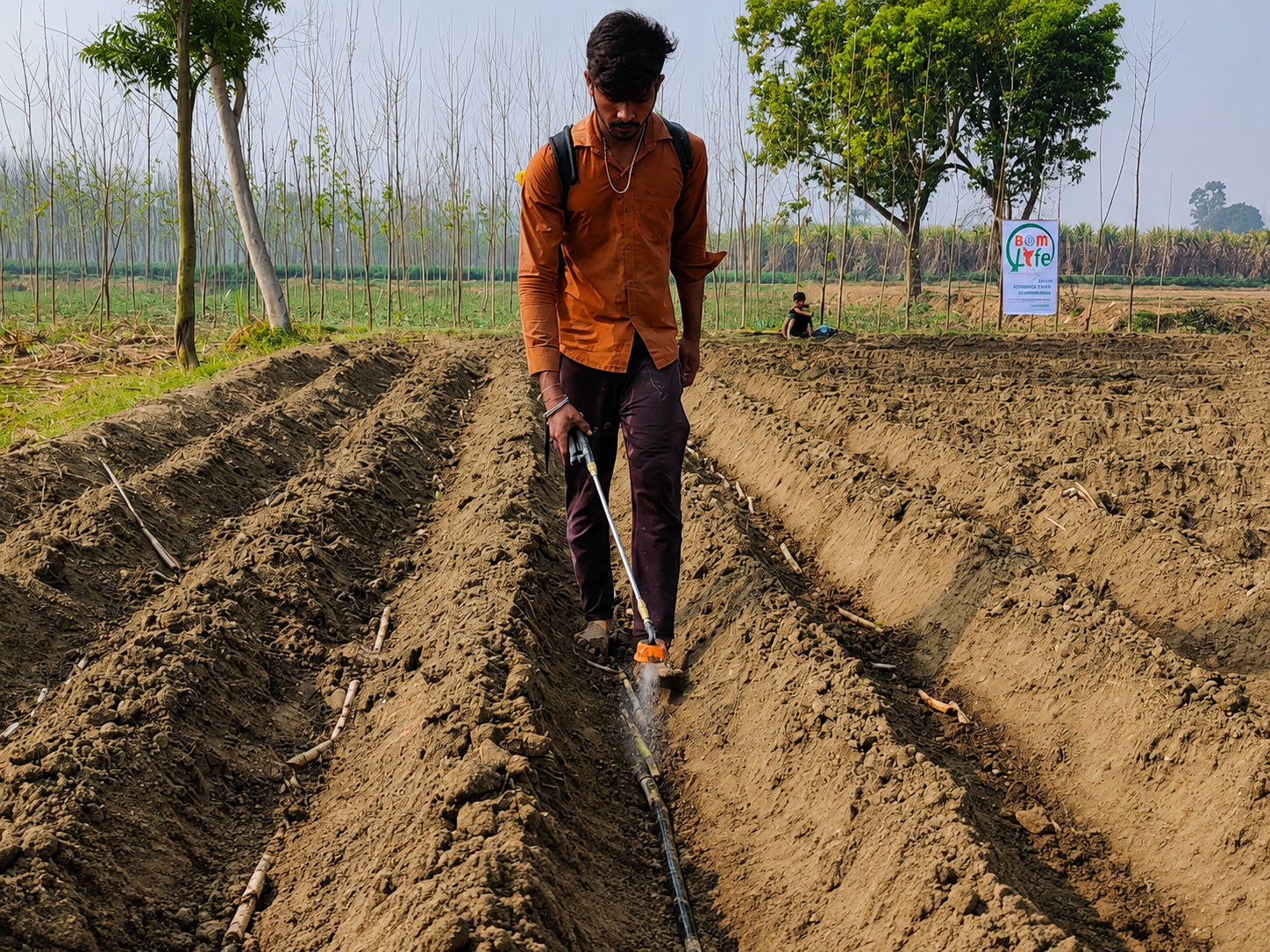
For Foliar spray:
Always clean the mixing drum and sprayers thoroughly before use, there should be no chemical contaminants like weedicide, fungicide, pesticide etc
The biofertlizer needs to reach the roots as well as remain on the foliage, so we strongly advise spraying in higher dilution to ensure that the foliage is drenched in solution dripping down from top, so the microbes can spread more
Preferably spray Biofertilizer in the afternoon or on an overcast day, microbes need a little time in settling down so if harsh sunlight dries up the water that may reduce efficacy. Specially during dry seasons spraying in the afternoon is strictly advised
A drizzle or light rain during or after the spray is no problem, in fact it is better
Avoid spraying during heavy rain
Please use clean thoroughly washed container/ drum which is free from any chemical contaminants
Please use RO water or filtered water or drinking water
Before adding Biomics please ensure that the temperature is not more than 35degrees
Cover the activated liquid with cloth so air can pass, also under shade so rain or sunlight doesn’t fall in it
Check for the fruity smell after 2-3 days
It is observed that our sett/ seedling treatment have always resulted in robust plant health & higher yield. The microbes that colonise the root system provide protection as well as growth factors.
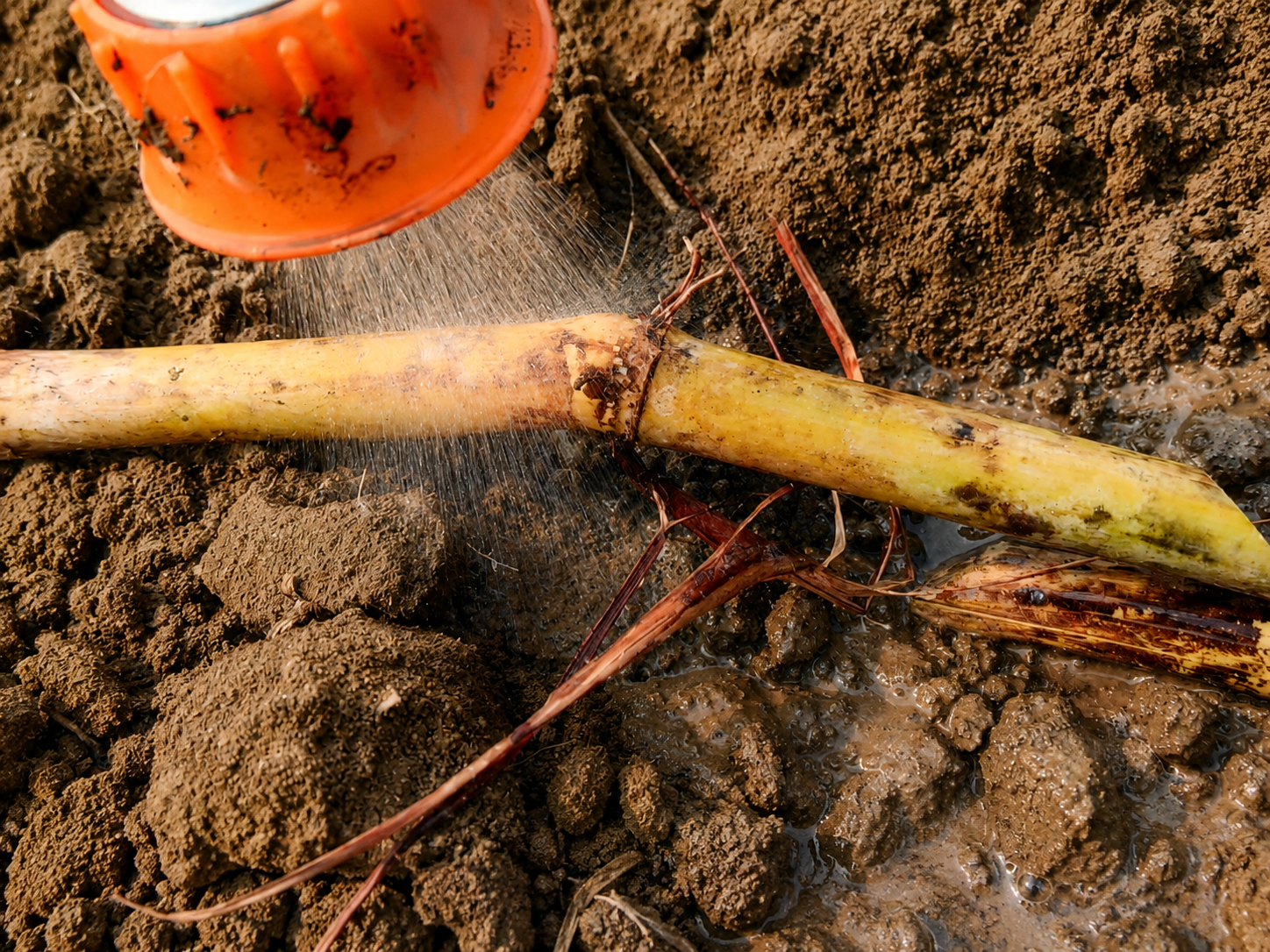
Just after harvest we strongly recommend sprinkling/ drenching the harvest wounds on canes with bio-activated Bom Shield solution. Not only it protects the wound from any infection but also helps the root formation.
We prescribe bio-control, however if required apply as per your schedule (pls keep 7days gap with application of Biomics)
We prescribe manual weeding, however if required please keep 1 month gap after Biomics
Do not use, no need, our microbes would inhibit any fungal pathogen. Also it’ll be harmful to our microbes.
Bom Shield suppresses smut, red rot, rust, wilt very effectively by causing destruction of cell walls of pathogens & boosting immune system
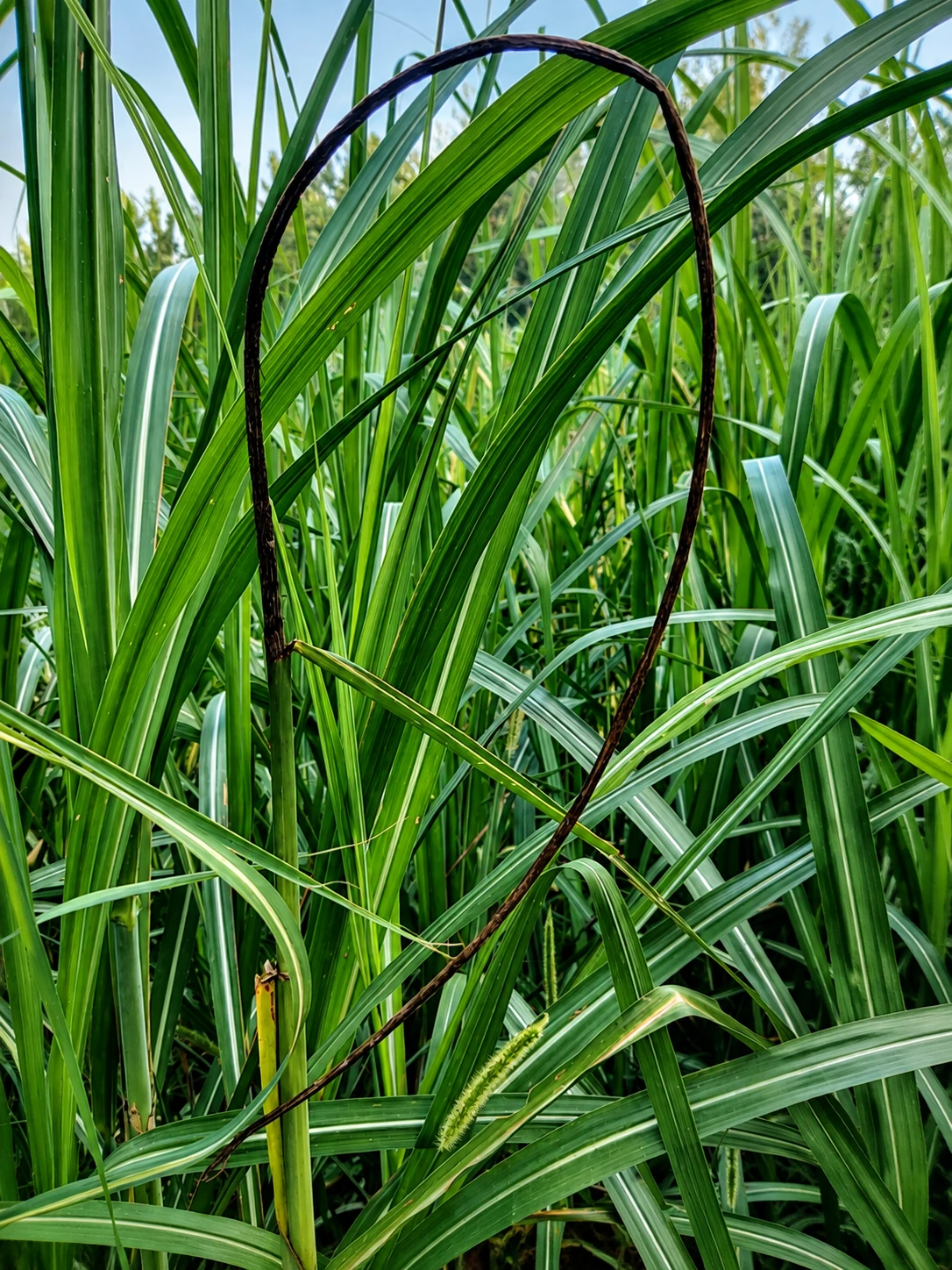
Smut

Red rot
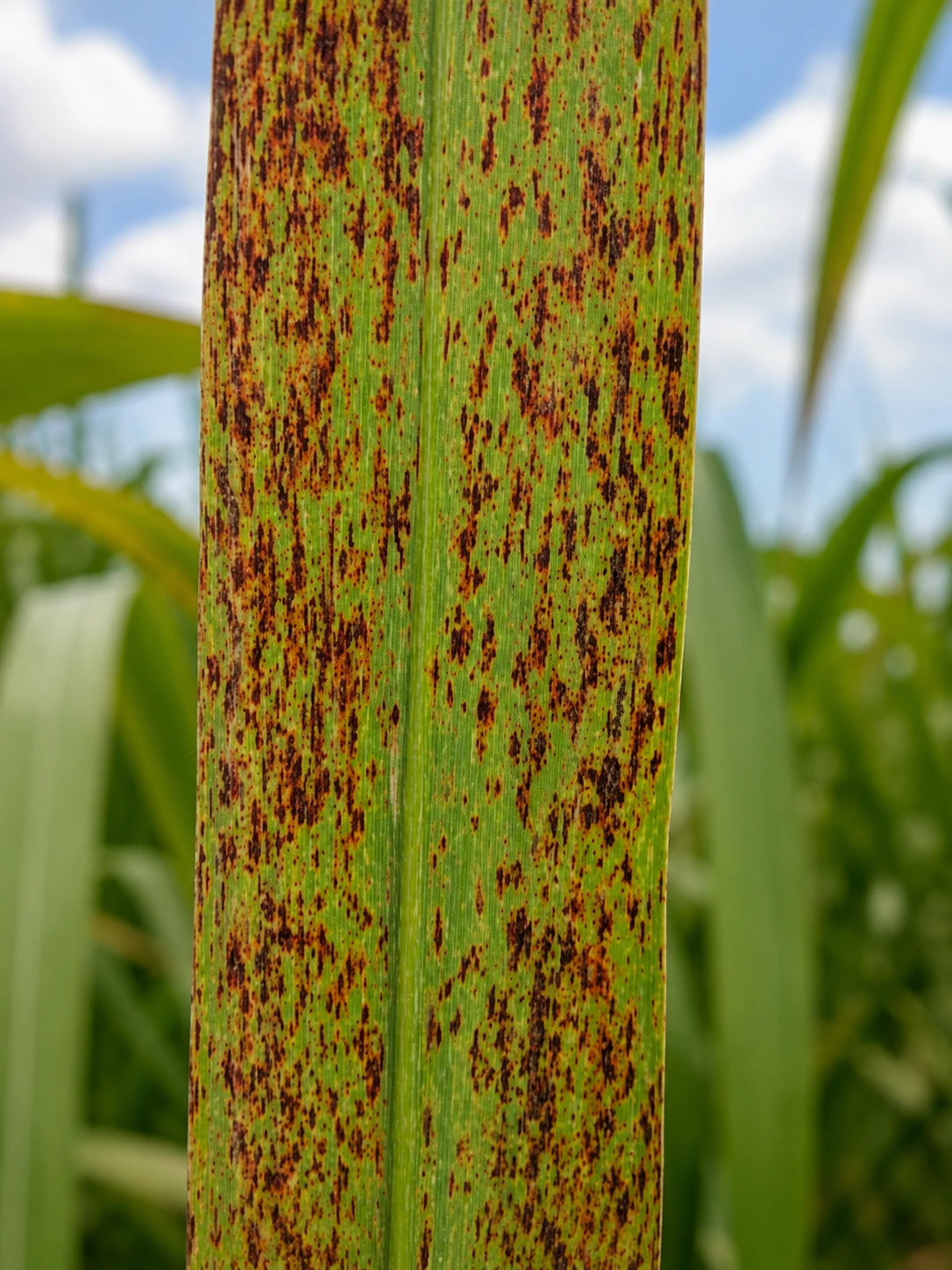
Rust
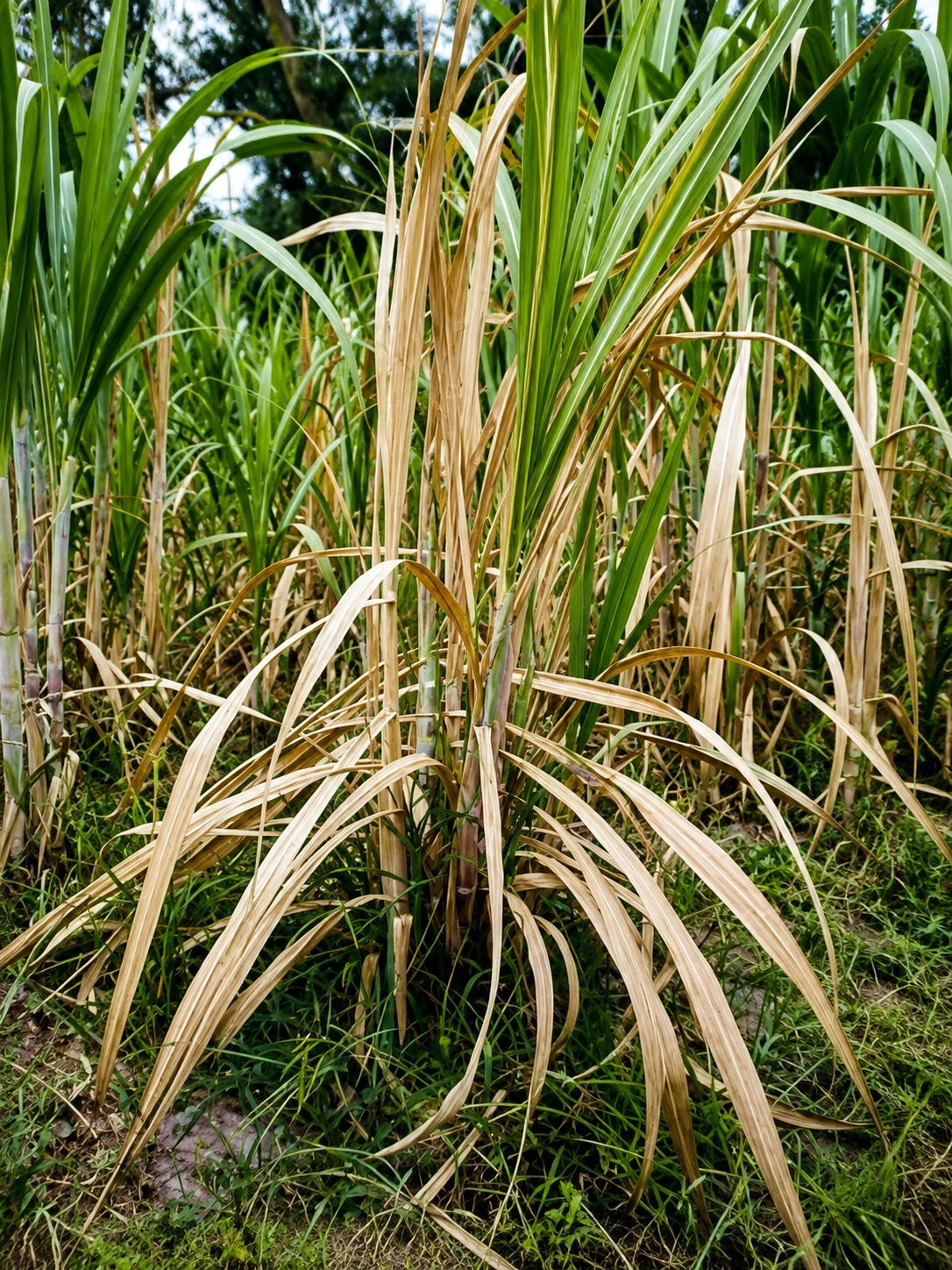
Wilt
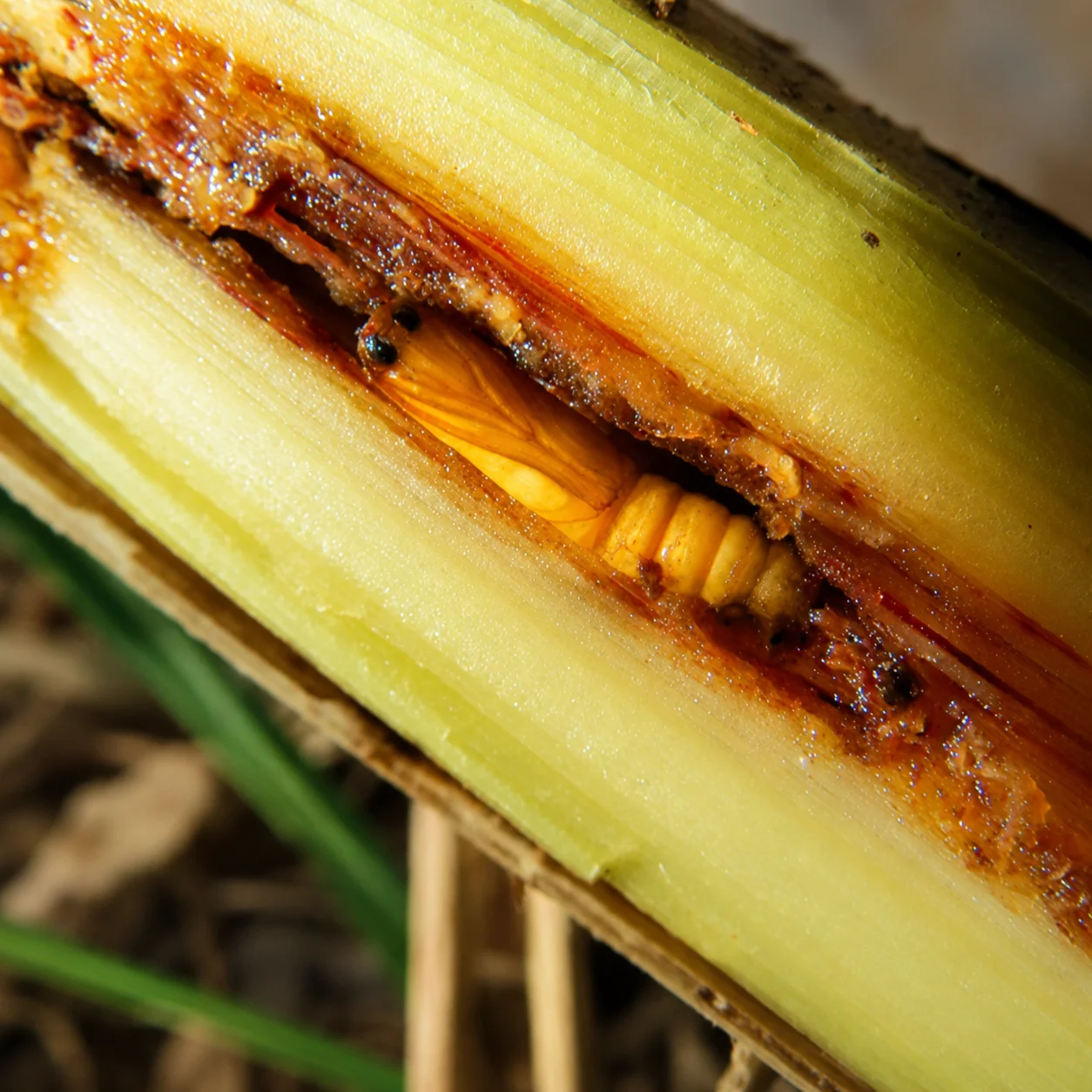
Borer
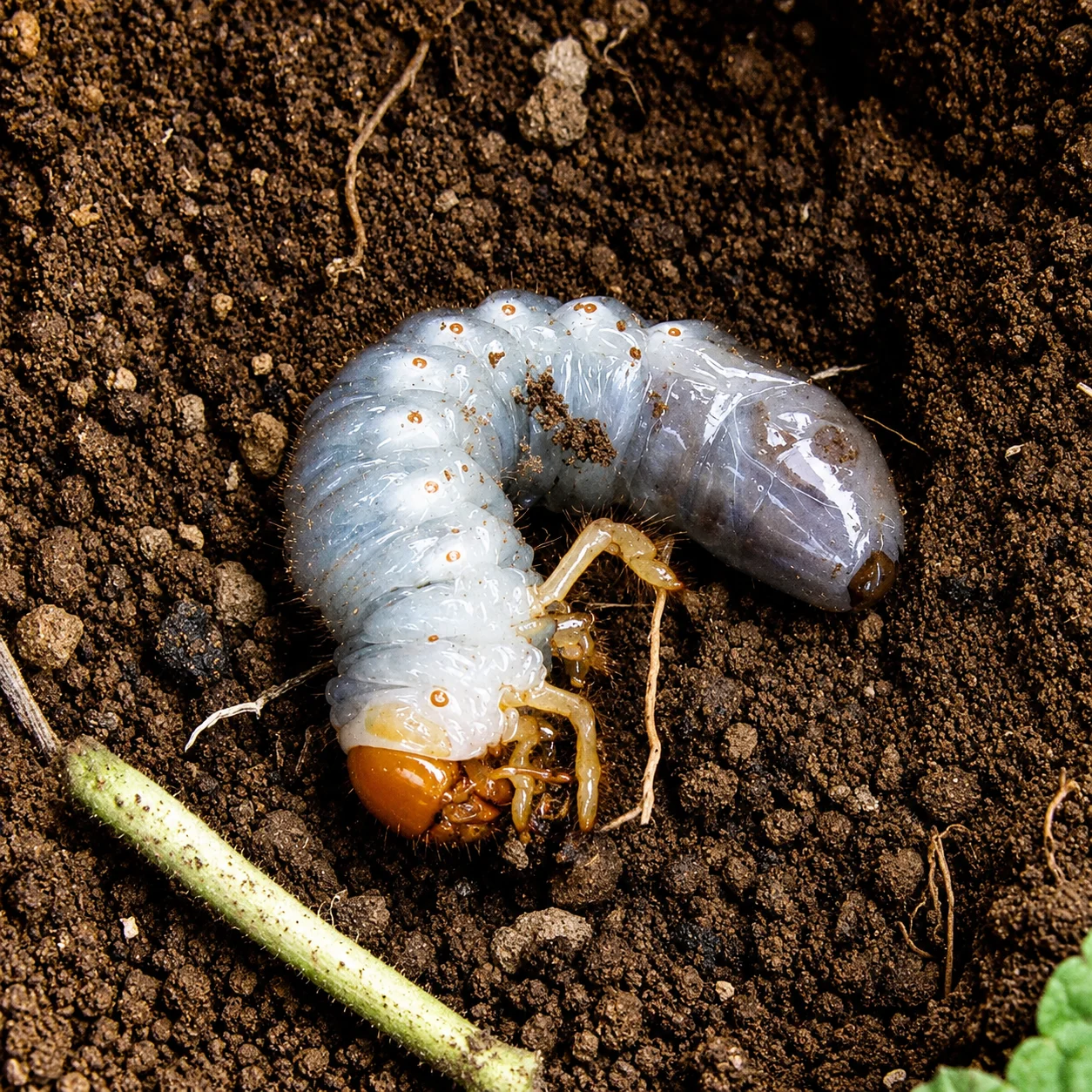
Grub
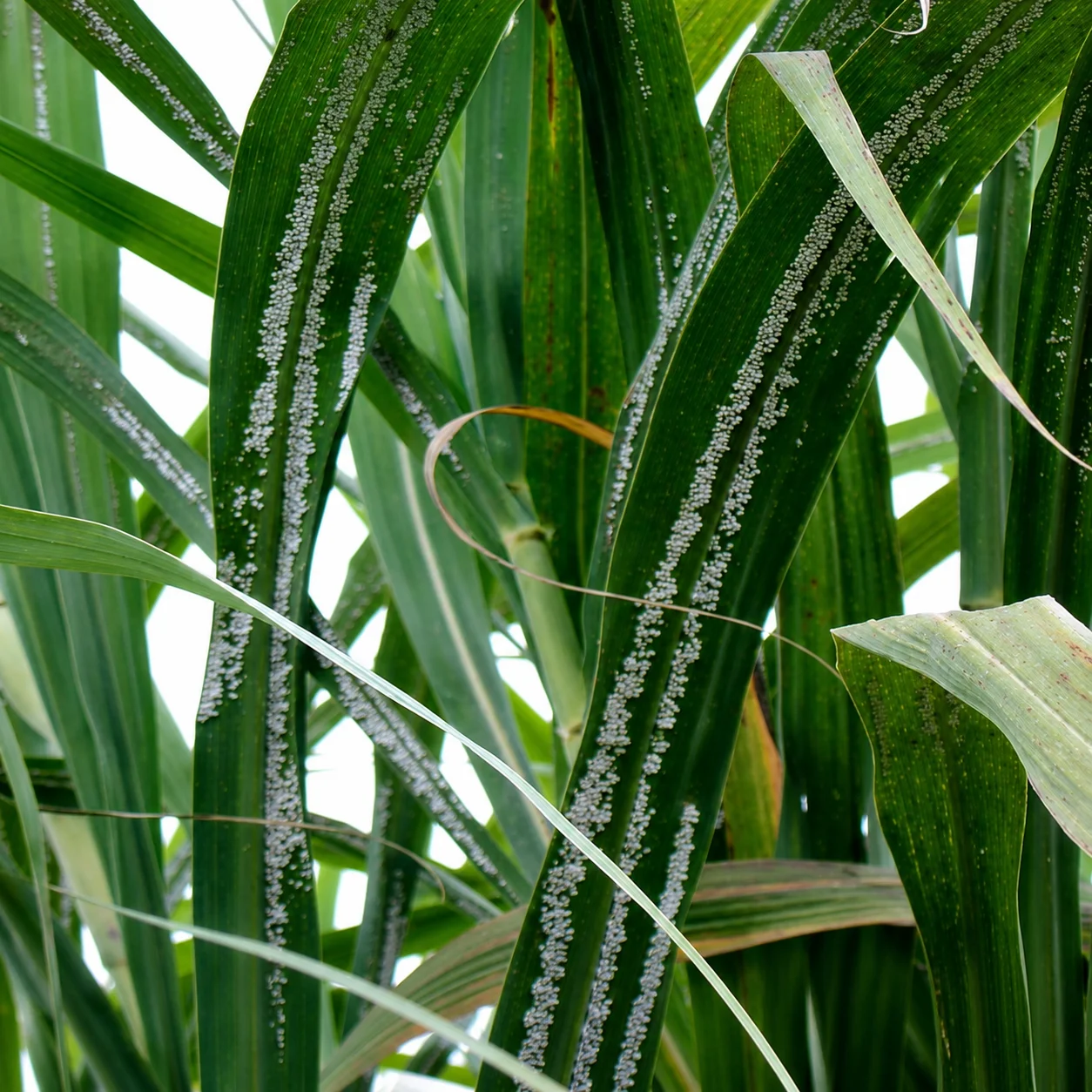
Aphids
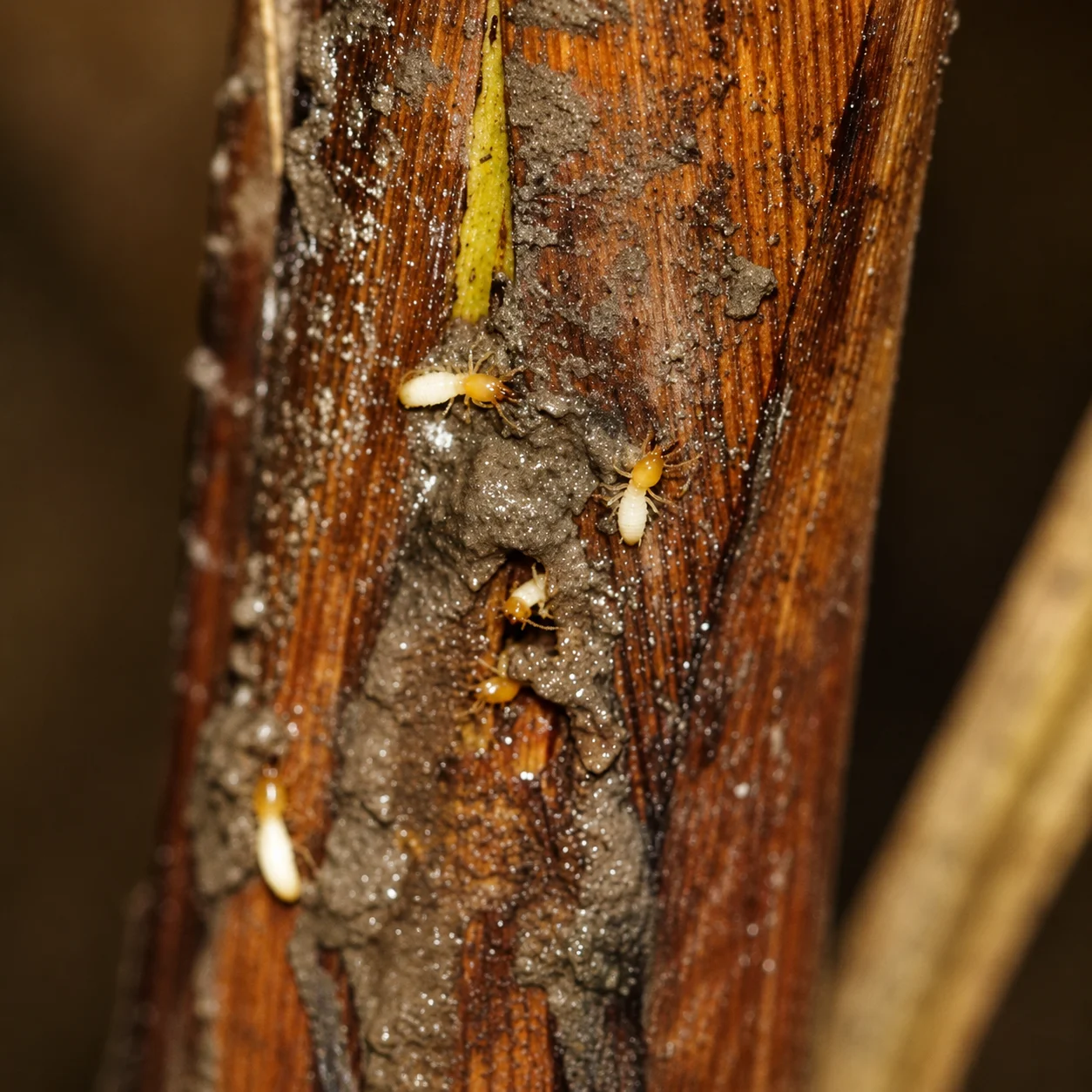
Termite
It’s observed that use of bio-fertilizer & adaptation of bio-organic practices greatly reduce pest infestation:
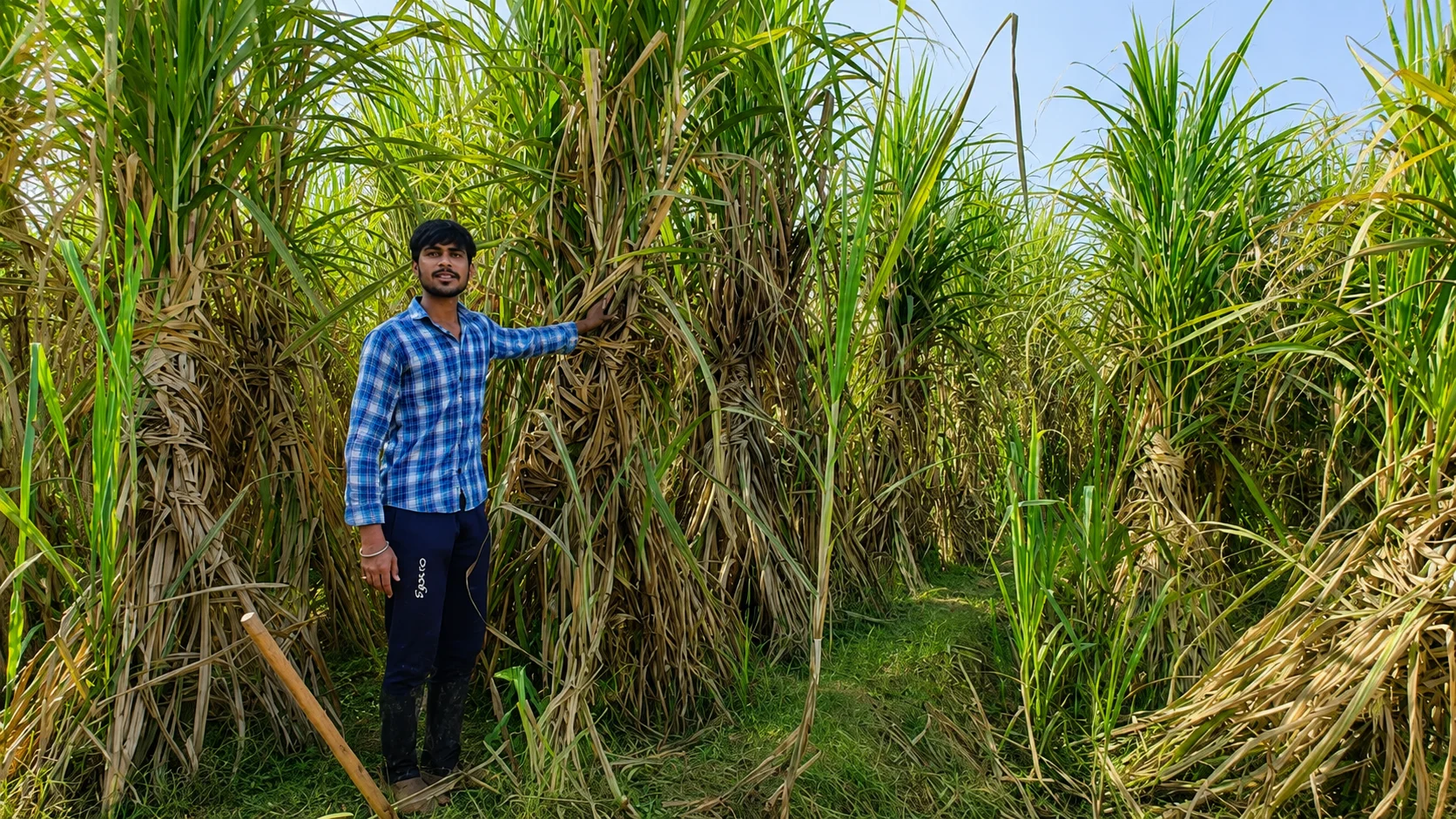
We provide comprehensive training and continuous handholding support to ensure smooth adoption of bio-organic farming practices.

Our flagship environmental initiative promoting biodiversity, women empowerment and sustainable rural livelihoods.

Efficacy of Bio-inputs very much depend on following the correct application protocols and schedules. Improper handling can render the microbes ineffective or even dead.
Moreover each soil displays its own personality depending on their geo-climatic conditions, physical characteristics and existing cultivation practices.
Since our primary aim is to restore the nutrient engines in the soil to perform at the optimal level we need to study the existing data and prescribe crop specific package of practices for successful implementation.
Transition to bio-organic farming from conventional requires a cultural change, so apart from bio inputs we recommend embracing many sustainable cultural practices which improve soil health and reduce pest & diseases biologically.

Talk to our technical experts today.